The Dictate of the Heart: 17th Sunday in Ordinary Time, Year A

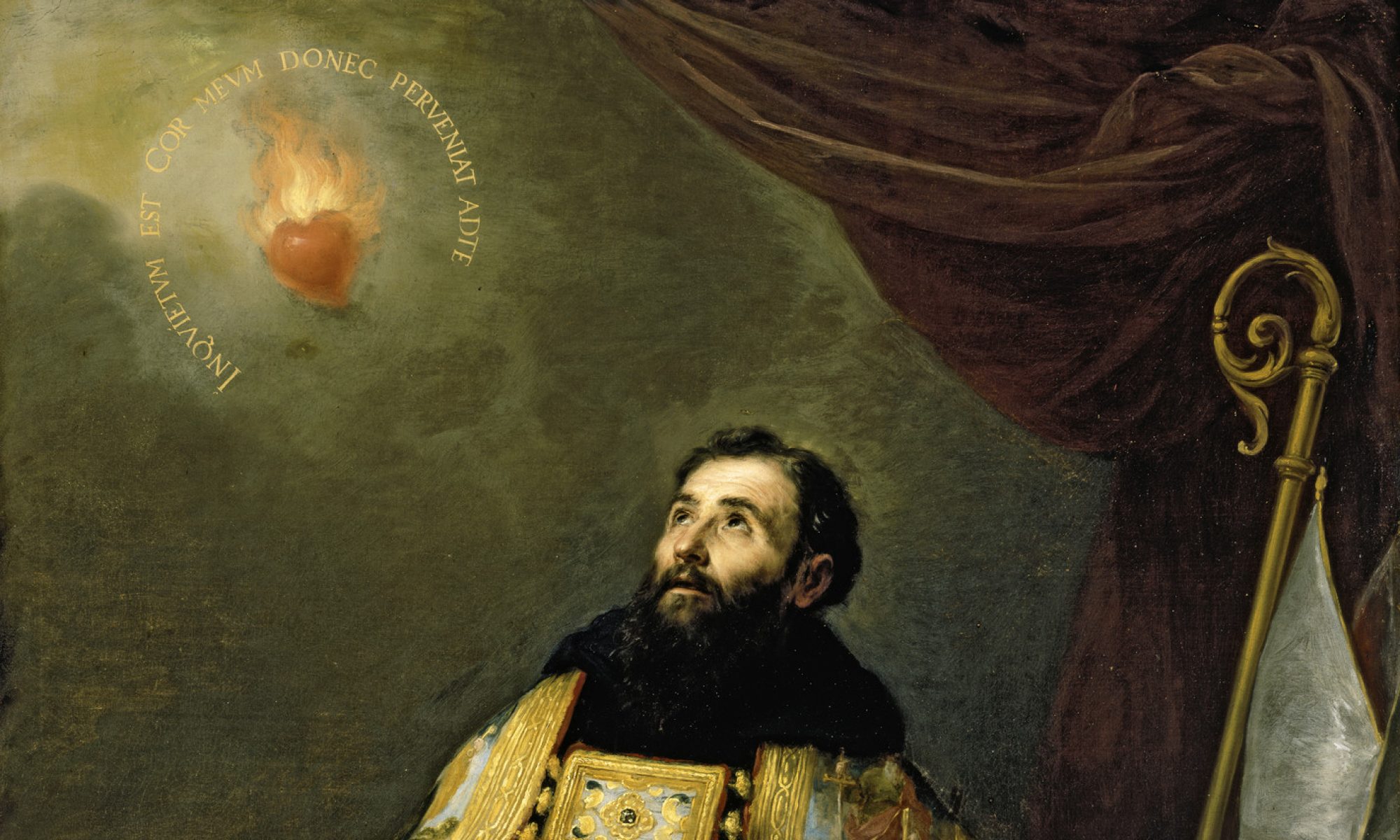
Our Father St. Augustine has this to say: “Let our searching be such that we can be sure of finding, and let our finding be such that we may go on searching.” (The Trinity, 9.1.1).

When a person discovers something true, that discovery inspires an even greater desire to learn more rather than to stop searching. Faith and knowledge are never exhausted; they continually invite us to grow together in an endless, lifelong journey with God.

One of the ways I keep myself engaged in this continuing search for a deeper understanding of the Gospel is through writing The Dictate of the Heart. For me, every reflection is like discovering a priceless treasure hidden in God’s Word.

The first reading from the First Book of Kings reveals the humility of King Solomon when God asks him what He would like to receive. Solomon responds with profound humility. Rather than asking for riches, power, or a long life, he asks for a discerning heart and wisdom. Because of this humble request, God abundantly blesses him with the very gift he seeks.

The second reading from the Letter of St. Paul to the Romans gives us a clear reminder that responding to God’s call with love brings the assurance of His providence. God works for the good of those who love Him, calling them according to His purpose, justifying them in Christ, and ultimately sharing with them His glory.

The Gospel according to St. Matthew presents, for the third consecutive Sunday, Jesus’ teaching on the Kingdom of Heaven through three short parables: the hidden treasure, the pearl of great price, and the fishing net. Through these images, Jesus reveals that the Kingdom of God is the fulfillment of God’s saving plan—the new law that fulfills the old.

Here are some points for reflection.

First, Jesus compares the Kingdom of Heaven to a buried treasure and to a pearl of great price. These images reveal the very heart of His teaching: once we truly encounter God, we are invited to reorder our priorities. The Kingdom becomes the greatest treasure of our lives, making every sacrifice worthwhile. Discovering God is worth surrendering everything that merely satisfies us temporarily, because nothing compares with the lasting joy of belonging to Him.

Second, in the Gospel, both the man who discovers the treasure and the merchant searching for fine pearls do exactly the same thing: they sell everything they have in order to possess what they value most.

This is what we call radical detachment. It is not about giving things up simply for the sake of suffering. Rather, it is about recognizing what has the highest value. Once we truly encounter God’s presence and experience His grace, earthly ambitions, power, prestige, control, and even our anxieties lose their hold over us. They no longer occupy the center of our hearts because we have found something infinitely greater.

Third, the parable of the dragnet repeats the message of the parable of the weeds among the wheat, emphasizing the final separation between good and evil.

Jesus compares the Kingdom to a dragnet that gathers fish of every kind. Only when the net is brought ashore are the good fish separated from the bad. This points to the final judgment at the end of time, when the righteous will be separated from the wicked. It reminds us of the eschatological reality that awaits every human person. God’s mercy is always available today, but His justice will also prevail in the fullness of time.

Fourth, Jesus says: “Every scribe who has been instructed in the Kingdom of Heaven is like the head of a household who brings from his storeroom both the new and the old.”

As I mentioned at the beginning, Jesus’ teaching about the Kingdom points toward the new law, yet this new law does not abolish the old; rather, it fulfills it.

St. Matthew teaches us that the old and the new are not enemies. The truths of the Old Testament find their fulfillment in Christ and in the Gospel. The faithful disciple treasures both: the enduring wisdom of God’s revelation throughout salvation history and the new life brought by Jesus.

Perhaps, aside from the wisdom we hear today, this also speaks to those who struggle to let go of what is old. Many of us carry old prejudices, unhealthy attachments, painful memories, rigid mindsets, and habits that no longer lead us to God. True wisdom is not merely acquiring new ideas; it is also having the courage to release whatever prevents us from embracing the new life that Christ offers.

If you know Jesus and truly understand what He is about, then you also know that He did not come to make us materially rich. That was never His mission. Otherwise, He would simply have made everyone prosperous, and we would probably end up fighting one another over wealth and possessions.

Jesus came for one purpose: to lead us to the greatest treasure we can ever possess—the treasure hidden in our hearts, where God Himself desires to dwell.

Whatever path we choose in life, whether in business, ministry, family life, or any profession, we must never forget where our true treasure lies. Jesus reminds us, “Where your treasure is, there also will your heart be.”

So, if you truly want to know the condition of your heart, ask yourself one simple question: Where is my treasure?

May God bless you.

Fr. Arlon, OSA

Trnaslation in Cebuano Language:

Ang atong Amahan nga si San Agustin nagaingon:

“Mangita kita sa paagi nga makasiguro kita nga makakaplag; ug sa dihang makakaplag na kita, padayon gihapon kita sa pagpangita.” (De Trinitate, 9.1.1).

Kung ang usa ka tawo makadiskobre sa kamatuoran, dili kana maoy katapusan sa iyang pagpangita. Hinunoa, kini mopukaw kaniya sa mas lawom nga tinguha sa pag-ila pa sa Dios. Ang pagtuo ug ang kahibalo dili gayod mahurot; padayon silang nagdapit kanato sa pagtubo diha sa walay katapusang panaw uban sa Dios.

Usa sa akong mga paagi sa pagpadayon niining pagpangita alang sa mas lawom nga pagsabot sa Ebanghelyo mao ang pagsulat sa The Dictate of the Heart. Alang kanako, ang matag pagpamalandong sama sa pagkaplag sa usa ka bililhong bahandi nga gitago sulod sa Pulong sa Dios.

Ang unang pagbasa gikan sa Unang Basahon sa mga Hari nagpadayag sa dakong pagkamapaubsanon ni Haring Solomon. Sa dihang gipangutana siya sa Dios kon unsa ang iyang gusto nga madawat, wala siya mangayo og bahandi, gahum, o taas nga kinabuhi. Hinunoa, nangayo siya og masinabtanon nga kasingkasing ug kaalam aron makadumala sa katawhan sumala sa kabubut-on sa Dios. Tungod niining mapaubsanon nga hangyo, gipanalanginan siya sa Dios dili lamang sa kaalam, kondili usab sa daghang grasya nga wala gani niya pangayoa.

Ang ikaduhang pagbasa gikan sa Sulat ni San Pablo ngadto sa mga taga-Roma nagpahinumdom kanato nga ang pagtubag sa tawag sa Dios uban sa gugma naghatag kanato og kasigurohan sa Iyang pag-atiman. Ang Dios nagabuhat sa tanang butang alang sa kaayohan niadtong nahigugma Kaniya. Gitawag Niya sila sumala sa Iyang katuyoan, gipakamatarong pinaagi kang Kristo, ug sa katapusan ipaambit Niya kanila ang Iyang himaya.

Ang Ebanghelyo sumala kang San Mateo, sa ikatulong sunod nga Domingo, nagpadayon sa pagtulon-an ni Jesus mahitungod sa Gingharian sa Langit pinaagi sa tulo ka mugbong sambingay: ang gitagong bahandi, ang mahalong perlas, ug ang pukot sa pagpangisda. Pinaagi niini nga mga sambingay, gipadayag ni Jesus nga ang Gingharian sa Dios mao ang katumanan sa plano sa Dios alang sa kaluwasan sa katawhan—ang bag-ong balaod nga nagtuman ug naghingpit sa daang balaod.

Ania ang pipila ka mga punto alang sa atong pagpamalandong.

Una, gitandi ni Jesus ang Gingharian sa Langit sa usa ka gitagong bahandi ug sa usa ka mahal kaayong perlas. Kini nga mga hulagway nagpadayag sa kasingkasing sa Iyang pagtulon-an. Sa dihang tinuod natong mahimamat ang Dios, gidapit kita sa pag-usab sa atong mga prayoridad. Ang Gingharian mahimong labing bililhon nga bahandi sa atong kinabuhi, nga naghimo sa tanang sakripisyo nga takus buhaton. Ang pagkaplag sa Dios takus isalikway ang tanang butang nga temporaryo lamang makahatag og kalipay, kay walay bisan unsa nga ikatandi sa malungtarong kalipay nga atong maangkon pinaagi sa pagpakig-uban Kaniya.

Ikaduha, sa Ebanghelyo, ang tawo nga nakakaplag sa bahandi ug ang negosyante nga nangita og mahalong mga perlas pareho ra ang ilang gibuhat: ilang gibaligya ang tanan nilang kabtangan aron maangkon ang labing bililhon alang kanila.

Mao kini ang atong gitawag nga radikal nga pagkahimulag sa mga butang sa kalibutan. Dili kini nagpasabot nga isalikway nato ang mga butang aron lamang mag-antus. Hinunoa, kini nagpasabot sa pag-ila kung unsa ang adunay labing taas nga bili. Sa dihang tinuod natong masinati ang presensya sa Dios ug ang Iyang grasya, ang kalibutanong ambisyon, gahum, dungog, tinguha sa pagpugong sa uban, ug bisan pa ang atong mga kabalaka, mawad-an sa ilang gahum ibabaw kanato. Dili na sila mahimong sentro sa atong kasingkasing, tungod kay nakakaplag na kita sa usa ka bahandi nga labaw pa sa tanan.

Ikatulo, ang sambingay bahin sa pukot nagpadayon sa mensahe sa sambingay bahin sa sagbot taliwala sa trigo. Ang duha naghatag og gibug-aton sa katapusang pagbulag sa maayo ug sa dautan.

Gitandi ni Jesus ang Gingharian sa usa ka pukot nga nakadakop og nagkalainlaing matang sa isda. Sa dihang gidala na kini sa baybayon, didto lamang gibulag ang maayong isda gikan sa dili maayo. Kini nagpunting sa katapusang paghukom sa katapusan sa panahon, diin ang mga matarong pagabulagon gikan sa mga dautan. Nagpahinumdom kini kanato nga ang matag tawo adunay atubanganon nga katapusang paghukom. Ang kalooy sa Dios anaa kanunay nga bukas alang kanato karon, apan sa tukmang panahon ang Iyang hustisya usab matuman.

Ikaupat, miingon si Jesus:

“Ang matag eskriba nga natudloan mahitungod sa Gingharian sa Langit sama sa usa ka agalong balay nga nagpagawas gikan sa iyang tipiganan sa mga daan ug sa mga bag-ong bahandi.”

Sama sa akong gihisgutan sa sinugdanan, ang pagtulon-an ni Jesus bahin sa Gingharian nagtudlo ngadto sa bag-ong balaod. Apan kini nga bag-ong balaod wala magwagtang sa daang balaod; hinunoa, kini mao ang katumanan ug paghingpit niini.

Gitudloan kita ni San Mateo nga ang daan ug ang bag-o dili magkaaway. Ang mga kamatuoran sa Daang Tugon nakakaplag sa ilang hingpit nga katumanan diha kang Kristo ug sa Ebanghelyo. Ang matinumanong tinun-an nagabili sa duha: ang walay katapusang kaalam sa pagpadayag sa Dios sulod sa kasaysayan sa kaluwasan ug ang bag-ong kinabuhi nga gidala ni Jesus.

Tingali, gawas sa kaalam nga atong nadungog karong adlawa, kini usab usa ka mensahe alang niadtong naglisod sa pagbiya sa mga daang butang. Daghan kanato ang nagdala gihapon og daang pagpihig, dili himsog nga pagkapit sa mga butang, masakit nga mga handumanan, hugot nga panghunahuna, ug mga batasan nga dili na makapaduol kanato sa Dios. Ang tinuod nga kaalam dili lamang ang pag-angkon og bag-ong mga ideya; kini usab ang pagbaton sa kaisog sa pagbiya sa bisan unsang butang nga makababag kanato sa pagdawat sa bag-ong kinabuhi nga gitanyag ni Kristo.

Kon nailhan na nato si Jesus ug nasabtan gayod nato ang Iyang misyon, masabtan usab nato nga wala Siya mianhi aron himoon kitang dato sa materyal nga mga butang. Dili kana mao ang Iyang katuyoan. Kay kon mao pa, mahimo unta Niyang adunahan ang tanan, ug tingali mag-away-away lamang kita tungod sa bahandi ug mga kabtangan.

Mianhi si Jesus alang sa usa lamang ka katuyoan: ang pagdala kanato ngadto sa labing bililhon nga bahandi nga atong maangkon—ang bahandi nga gitago sulod sa atong kasingkasing, diin ang Dios mismo nagatinguha sa pagpuyo.

Busa, bisan unsa pa ang atong pilion nga dalan sa kinabuhi—sa negosyo, ministeryo, kinabuhi sa pamilya, o bisan unsang propesyon—ayaw gayod nato kalimti kon diin nahimutang ang atong tinuod nga bahandi. Gipahinumdoman kita ni Jesus:

“Kay hain ang imong bahandi, atua usab ang imong kasingkasing.”

Busa, kon gusto gayod nimo mahibaloan ang tinuod nga kahimtang sa imong kasingkasing, pangutan-a ang imong kaugalingon niining yano apan lawom nga pangutana:

Asa man ang akong bahandi?

Panalanginan kamo sa Dios.  

P. Arlon, OSA
The Dictate of the Heart: 16th Sunday in Ordinary Time – Year A

Today is the 16th Sunday in Ordinary Time, Year A. For more than 20 years, I have been blessed with the opportunity to attend the 162nd Annual Patronal Fiesta of Our Lady of Mount Carmel, the parish where I was brought to the faith, learned the basic catechism, and served as an altar boy under several parish priests who were assigned there. My vocation has been nurtured through the loving intercession of Our Lady of Mount Carmel and St. Joseph. Devotion to these two great saints has been instrumental in shaping our family’s piety, deep faith, and Catholic spirituality.

As we have heard in today’s three readings, let us begin our reflection with the first reading from the Book of Wisdom. This passage reminds us that there is no other God but Him alone who cares for all of us. He judges with justice and gives us the strength to do what is right because He shows mercy to those under His rule. Whenever anyone doubts His power, He reveals His strength with justice and kindness. He corrects those who are proud, yet He never fails to teach His people to be compassionate toward others. By acting in this way, God gives His children the wonderful hope of repentance and conversion from sin.

The second reading, taken from the Letter of St. Paul to the Romans, reminds us that although we are weak, the Holy Spirit comes to help us. There are moments when we experience spiritual dryness and weakness, making it difficult to pray. At times, we do not even know what to pray for. Yet the Holy Spirit intercedes for us with groanings too deep for words. God knows what is in our hearts and minds because the Holy Spirit truly prays within us and for us.

This knowledge of faith is possible only through the Holy Spirit. To remain in touch with the words of Christ, we too must be touched by the Holy Spirit. He comes to meet us and continually kindles faith within us.

Today’s Gospel presents two parables from St. Matthew. At first glance, they appear similar to last Sunday’s Gospel about the sower. However, today’s focus is on the parable of the wheat among the weeds and the parable of the mustard seed. Since these parables concern the Kingdom of God, they reveal the reality that corruption and evil can exist even within the Kingdom of God on earth. The coexistence of good and evil is a reality we must acknowledge. Through the guidance of the Holy Spirit, we are led to a deeper understanding of this mystery.

First, the Gospel states that “a farmer scattered good seed in his field. But while everyone was sleeping, an enemy came and scattered weed seeds among the wheat and then left.” Jesus beautifully reveals the Kingdom of God by manifesting both God’s mercy and His justice. Yet the presence of darkness and the undeniable force of evil remain constant threats and challenges. We know that, in the end, God alone can separate the wheat from the weeds. On our part, we are called to greater vigilance, resistance, and determination in fighting against the disturbances, temptations, and attacks of Satan. Evil is a corruption of what is good. Nevertheless, God may permit evil for a greater good, allowing virtues such as prudence, perseverance, and fortitude to shine forth even more brightly.

Second, the Gospel narrates: “His servants asked him, ‘Do you want us to go and pull up the weeds?’ ‘No,’ he answered. ‘You might also uproot the wheat with them. Let both grow together until the harvest.’” This parable calls us to spiritual discernment and patient endurance as we navigate the complexities of good and evil in the world. We recognize that perfection is not yet found in humanity because the Kingdom of God on earth is still journeying toward its fulfillment.

The first parable teaches us not to judge prematurely, lest we harm the wheat while trying to remove the weeds. Instead, we are invited to trust God as the ultimate Judge and to devote ourselves faithfully to planting, nurturing, and watering the seeds of goodness.

The second parable emphasizes the significance of even the smallest acts of faith. Like the mustard seed, faith may begin unnoticed, yet it grows into something remarkably great, bringing shelter, hope, and life to many.

Third, Jesus tells us another parable that invites us to reflect on what will happen at the end of time to those who refuse to listen to Him. By allowing both the good and the evil to coexist, Jesus reveals His divine patience. God desires to give sinners every opportunity to repent and change their ways before the final judgment.

It is God alone who created us and continually watches over us. He lovingly guides us along the right path and allows us to experience the consequences of sin whenever we wander astray. Yet He never abandons us. Instead, He gives us hope to change, to be healed, and to receive forgiveness through His abundant mercy and love. I firmly believe that God never rejects anyone who sincerely turns back to Him. He rejoices over every sinner who returns with a humble and repentant heart.

The Sacrament of Reconciliation is one of the greatest gifts Jesus has entrusted to His Church. It is truly God’s sacrament of compassion and mercy.

It is almost unimaginable to live without anyone to forgive us through God’s mercy, for He knows that our human nature is fragile and prone to weakness and unfaithfulness.

The good seed signifies the children of God. It is this good seed that flourishes in the light of God’s grace. Let us remain attentive to where the Holy Spirit is leading us. Like leaven and like seeds, we are called to remain alive, active, and irrepressible in spreading the Kingdom of God. Gradually, we come to realize that our mission is not primarily to uproot the weeds, but to awaken and cultivate the goodness that God has planted within ourselves and in others until His Kingdom reaches its fullness.

We may ask ourselves this question: How does knowing that the Holy Spirit, the Giver of Life, dwells within me transform my prayer and deepen my spiritual life?

Loving God, thank You for the countless graces I have received through the loving intercession of Our Lady of Mount Carmel.

Blessings to everyone.

Fr. Arlon, OSA

The Dictate of the Heart: 15th Sunday in Ordinary Time, Year A

The whole Philippines is deeply interested in the ongoing impeachment trial of Vice President Sara Duterte. I can sense that our nation has become clouded by deep political divisions. Filipinos are known to be religious and prayerful people, yet I find it difficult to understand how our culture has become so saturated with distractions and temporal concerns. This becomes a serious problem whenever there is a growing dichotomy between faith and daily life.

As I reflect on our present situation, I cannot help but think of St. Augustine’s vision of building the City of God. Sadly, it seems that many people are moving in the opposite direction by investing themselves more in building the City of Man. It is heartbreaking to see how even religious people can become so preoccupied with worldly affairs that eternal realities are often forgotten.

The first reading from the prophet Isaiah reminds us that the Word of the Lord is never ineffective. Just as the rain and snow nourish the earth and make it fruitful, so too God’s Word accomplishes the purpose for which He sends it. His Word sustains us, transforms us, and keeps us focused on following the footsteps of Jesus.

In the second reading, St. Paul speaks to the Romans about suffering and hope. He reminds us that all creation eagerly awaits God’s redemption. Faith is not always as easy as we imagine. We experience trials, disappointments, and suffering in this earthly life, yet these are insignificant when compared with the glory that God has prepared for those who remain faithful. St. Paul beautifully compares our present sufferings to the pains of childbirth, reminding us that every pain endured with Christ gives birth to a greater and more glorious life.

The Gospel of St. Matthew now begins Jesus’ long discourse on the Kingdom of God through parables. Today we enter into one of His most familiar and profound teachings—the Parable of the Sower.

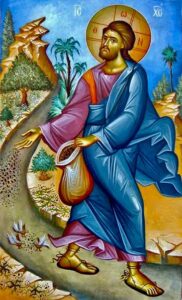
First, Jesus teaches that the Kingdom of Heaven is like seed scattered upon different kinds of soil. We should remember that although the sower generously scatters the seed everywhere, its growth depends on the condition of the soil that receives it. The farmer sows the seed without discrimination; it falls on the path, on rocky ground, among thorns, and on fertile soil alike. Yet only the seed that falls on good soil bears abundant fruit. Therefore, the true focus of the parable is not the seed or even the sower, but the condition of the soil.

Second, Jesus invites each one of us to examine our own hearts. What kind of soil am I?

Although Jesus explains the meaning of the parable toward the end of the Gospel, His explanation still invites us to engage in personal reflection. The parable is not merely meant to be understood intellectually but to be lived spiritually. Only through sincere prayer and honest self-examination can we truly discover its deeper meaning and receive its transforming grace.

The seed that falls on the path represents hearts that have become hardened and calloused. Disappointments, anxieties, fears, and painful experiences can gradually close our hearts to God’s Word.

The rocky ground represents people who receive God’s Word with enthusiasm but without deep roots. Their faith begins with excitement, but when difficulties, trials, or persecution come, they quickly lose heart. Their commitment becomes shallow and inconsistent.

The thorny ground symbolizes lives crowded with competing priorities—wealth, ambition, worldly success, and endless distractions. These slowly choke the life of grace within us and create divided hearts that struggle to remain faithful.

Finally, the good soil represents hearts that remain open, humble, receptive, and faithful. They welcome God’s Word, allow it to take root deeply, persevere through life’s challenges, and eventually bear abundant fruit. Jesus reminds us that the harvest is extraordinary—thirty, sixty, and even a hundredfold—for those who faithfully nurture the seed entrusted to them.

Third, this parable invites us to reflect not only on our personal lives but also on our communities and our relationship with God. It is not simply about individual hearts; it is also about the kind of environment we create in our families, churches, schools, and neighborhoods. We must honestly ask ourselves: What kind of soil are we cultivating for others?

The Church has the sacred responsibility of cultivating good soil where people can grow deeply rooted in God’s grace and love. She must continually proclaim the Gospel and form the faithful in sound moral living so that they may maintain a healthy balance between faith and daily life. Such formation enables Christians to remain steadfast amid political conflicts, social unrest, moral confusion, and the many crises facing our world today.

I believe the most comforting and grace-filled message of this parable is that the Sower never gives up on us. God never grows tired of scattering the seeds of healing, hope, mercy, forgiveness, love, and justice into our hearts. He patiently waits for our sincere conversion and never ceases to offer us His grace. He desires that His Word take deep root in our lives and bear lasting fruit for His Kingdom.

Jesus concludes by saying, “Whoever has ears ought to hear.” May we humbly listen to His voice, open our hearts to receive the seed of His Word, and allow it to transform us into faithful disciples who bear abundant fruit for the glory of God.

May this impeachment trial become fertile soil for the good seed of God’s truth, justice, and righteousness. May the Lord uproot every seed of lies, corruption, hatred, and darkness, so that evil may find no place to take root in our nation. Let God’s will prevail, and may this trial bear the fruits of truth, accountability, healing, and lasting peace for the Filipino people.

God bless you.

Fr. Arlon, OSA

The Dictate of the Heart: 14th Sunday in Ordinary Time, Year A

Today is the 14th Sunday in Ordinary Time, Year A, the first Sunday of the month of July. For Pope Leo XIV and the whole Church, this week has presented a difficult challenge involving a group of priests known as the Society of St. Pius X (SSPX), founded by Archbishop Marcel Lefebvre in 1970.

On July 1, 2026, at Ecône, the Lefebvrian movement ordained four new bishops without the permission and pontifical mandate of the Holy Father. This was an act of direct disobedience. Despite the Holy See’s persistent invitation to dialogue in order to promote unity and communion, the SSPX remained defiant.
In Switzerland, the four bishops were illicitly ordained, resulting in latae sententiae—an automatic excommunication. SSPX Superior Davide Pagliarani declared, “On a historic day, the possible sanctions or censures against this act have no value to us.” Those words reflected a condescending attitude that displayed little respect for the authority of the Church.

This defiance against Pope Leo XIV is an act of grave disobedience that the Holy See judges to be schismatic, involving “the refusal of submission to the Supreme Pontiff” (Canon 751) through the ordination of bishops without a pontifical mandate, an act forbidden by canon law.
St. Augustine, in Sermon 131, states, “Roma locuta est; causa finita est” (“Rome has spoken; the case is finished.”). He was emphasizing the authority of the Apostolic See and the principle that the decisions of councils receive their definitive authority through communion with the Bishop of Rome.

The Apostolic See subsequently issued a decree concerning the six SSPX bishops, together with the clergy and lay faithful directly involved in the schismatic act. The Holy See judged this to be an act of schism involving “the refusal of submission to the Supreme Pontiff” (Canon 751) by carrying out an act expressly forbidden by canon law, namely the ordination of bishops without a papal mandate (Canon 1387). In other words, “Rome has spoken; the case is closed.”

This unfortunate event invites us to return to the consoling words of Jesus in today’s Gospel:
“Come to me, all who labor and are burdened, and I will give you rest.”
These words reveal God’s infinite mercy and love, touching our hearts and inviting us to find true solace through today’s Sacred Scriptures.

In the first reading from Zechariah, the prophet describes the coming of God’s humble King. God triumphs over His enemies not through aggression or violence but through humility, justice, and peace. The reading reminds us that God remains faithful to His covenant and that He strengthens, supports, and raises up those who trust in Him. It also teaches us that obedience to God and to the authority He has established in His Church leads to authentic peace.

In the second reading, St. Paul reminds the Romans and us that through the suffering, death, and Resurrection of Jesus Christ we have received new life in the Holy Spirit. We are no longer called to live according to the flesh but according to the Spirit, who unites us in one faith, one Lord, and one baptism.

The Gospel highlights Jesus’ tender care for the humble and the weary. In St. Matthew’s Gospel, Jesus is the Divine Teacher and Healer who fulfills the promises of God. Let us reflect upon this Gospel with open hearts by considering three important points.

First, through His prayer to the Father, Jesus reminds us that He alone reveals the Father to us. Humility and gentleness are the virtues He teaches, while rest and freedom from life’s burdens are the gifts He promises. Every day we experience loneliness, conflict, isolation, and countless trials. Yet through prayer and faithful action, Christ gently draws us closer to His love and peace. The more we surrender to Him, the more we discover that His grace is sufficient for every burden we carry.

Second, many people mistakenly believe that once they profess faith in Christ, everything in life should immediately become easy. This is a distorted understanding of the Christian life. The Gospel never promises a life without suffering. Rather, it promises the abiding presence of Christ in the midst of suffering.

Some have sadly wandered into groups such as the SSPX, embracing paths that separate them from full communion with the Holy Catholic Church. In separating themselves from the visible unity Christ established, they also distance themselves from the fullness of ecclesial communion and the yoke that unites believers with Christ through His Church. Pride eventually leaves the soul empty because it resists the abundant river of God’s grace.

Our faith in Jesus is not magic. Neither is it merely the preservation of ancient traditions. Rather, it is a living communion with Christ Himself. Although following Jesus does not free us from every burden or pain, He asks us: “Take my yoke upon you…” To be yoked with Christ means allowing Him to carry life’s burdens with us. It means walking beside Him, sharing His mission, drawing strength from Him, and allowing Him to transform our lives. Christ does not simply do things for us; He lovingly works with us.
When we willingly take His yoke upon ourselves and walk in obedience to His teachings, we discover true rest, authentic freedom, and lasting peace. His grace shapes our attitudes, transforms our relationships, and directs our actions toward holiness.

Third, Jesus offers something that gives life its deepest meaning and purpose. He lovingly calls out: “Come to me, all you who are weary and burdened, and I will give you rest.” These words continue to echo throughout every generation.

His Holiness Pope Leo XIV, speaking to young people during his meeting with them in Rome, encouraged them with these inspiring words: “Listen to the word of Jesus… renew your way of life… build a more humane world. Serve the poor… remain united with Jesus in the Eucharist.” Only by remaining united with Christ can we find true rest and lasting peace.

The Holy Catholic Church never has been, is not now, and never will be a burden. Rather, she is the loving Mother who supports us in our relationship with God and with one another. Through the Church, Christ continually pours out His grace, strengthens us with the sacraments, and fills us with His infinite love.
How could anyone not be attracted to what Jesus offers us? Why, then, is He still ignored by so many people throughout the world?

God bless you.

Fr. Arlon, OSA

The Dictate of the Heart: 13th Sunday in Ordinary Time, Year A.

Throughout this past week, I had the grace of journeying with the four Sisters of Our Lady of Sorrows during their canonical retreat. It was a profound privilege to accompany them and facilitate their spiritual retreat as they renewed their vocation and clarified the deepest motives of their religious consecration. Through our conferences, moments of silence, prayer, and spiritual direction, I witnessed how God’s grace gently enlightened their hearts with the light of Christ.

Their sincere openness to the Lord reminded me that every authentic renewal requires a process. Like every disciple, they are continually invited to deepen their intimacy with God so that their lives may bear more abundant fruit in mission. Their joyful receptivity, generous perseverance, and fidelity as religious sisters inspired me deeply. I am equally grateful to our Augustinian community for extending warm hospitality to them, making both their spiritual and physical journey a truly meaningful experience.

Today’s readings beautifully echo that experience. On this 13th Sunday in Ordinary Time, God invites us to reflect on the dictate of the heart. Every day our hearts make decisions. They determine whom we love, whom we trust, what we value most, and ultimately whom we follow. Jesus challenges us today to allow our hearts to be governed not by fear, comfort, or self-interest, but by God alone.

In the 1st reading from the Second Book of Kings, we meet the generous Shunammite woman. She welcomed the Prophet Elisha into her home, recognizing him as “a holy man of God.” Her hospitality was not motivated by the desire for recognition or reward. It flowed naturally from a heart filled with faith and generosity. She simply desired to serve.

God never allows genuine generosity to go unnoticed. Through the prophet Elisha, the childless couple received an unexpected blessing. Before leaving, Elisha promised her, “This time next year you will be holding a son in your arms.” Her hospitality became the doorway through which God’s miraculous blessing entered her life.

The 2nd reading taken from the Letter of St. Paul to the Romans, reminds us that through Baptism we have died to our old self—the self enslaved by sin, selfishness, pride, and worldly attachments. United with Christ in His death and Resurrection, we have become a new creation. Our lives are no longer centered on ourselves but on Christ, who emptied Himself completely out of love for humanity.

To be baptized, therefore, is not simply to belong to the Church. It is to allow Christ to reshape our hearts so that we may live entirely for God.

The gospel from St. Matthew presents one of the most demanding teachings of Jesus. At first glance, His words may seem severe, but they reveal the true cost and incomparable beauty of discipleship.

First, Jesus declares:”Whoever loves father or mother more than me is not worthy of me.” These words do not diminish the importance of family. Rather, Jesus reminds us that our first and absolute allegiance belongs to God. Only when Christ occupies the first place in our hearts can we truly love our families with greater freedom, purity, and selflessness.

When God becomes our highest priority, every other relationship finds its proper place. Our homes become places of forgiveness rather than resentment, of service rather than selfishness, and of joy rather than division.

For the early Christians, this teaching was painfully real. Many suffered rejection from their own families because of their faith in Christ. Every day they faced the difficult choice between preserving family approval and remaining faithful to the Gospel.

That same struggle continues today, although in different forms. Choosing honesty over corruption, truth over convenience, forgiveness over revenge, or fidelity over compromise often comes at a personal cost. Yet Jesus assures us that no sacrifice made for Him is ever in vain.

Learning to surrender ourselves to Christ is a lifelong journey. It requires daily conversion, perseverance, and trust. Thankfully, we never walk alone. The Holy Spirit continually strengthens us, guiding us whenever our hearts grow weary.

Second, Jesus says, “Whoever does not take up his cross and follow me is not worthy of me.”
Discipleship without the Cross does not exist.

To follow Christ means embracing sacrifice, accepting suffering with faith, and living generously for others. The Cross is not merely a burden to endure; it is the path that leads to resurrection. Every act of forgiveness, every hidden sacrifice, every patient endurance of trials, and every generous service offered out of love becomes participation in Christ’s own saving work.

We often seek comfort and security. Yet if our Christian life never challenges us, never stretches our generosity, never calls us beyond ourselves, then perhaps we have settled for comfort instead of discipleship.

Jesus never promised an easy life. He promised His presence. And His presence gives meaning even to our crosses.

Third, Jesus says, “Whoever welcomes you welcomes me, and whoever welcomes me welcomes the One who sent me.” These words reveal a profound theological truth. Every person who stands before us carries the image of God. To welcome another is to welcome Christ Himself; and to welcome Christ is to welcome the Father who sent Him.

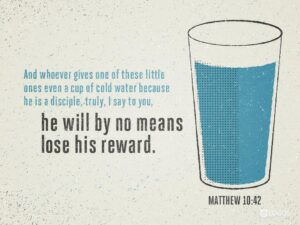
Hospitality, therefore, is far more than good manners. It becomes a sacred encounter with God. This gospel passage reminds us that even something as simple as offering a cup of cold water to one of Christ’s little ones will never be forgotten by God. No act of kindness is ever too small when it is inspired by love.

In a world increasingly marked by indifference, suspicion, and division, Christians are called to become living signs of God’s welcoming love. Our homes, our communities, and our parishes should always reflect the compassionate heart of Christ.

As we celebrate this Eucharist, our prayers naturally extend beyond ourselves. We remember our brothers and sisters affected by the recent shooting incident in Tacloban, as well as those suffering from earthquakes in Venezuela, Japan, the Philippines, and California. May the Lord grant eternal rest to those who have died, healing to the injured, comfort to grieving families, and strength to all those assisting in rescue and recovery efforts.

My dear brothers and sisters, today’s Gospel ultimately asks only one question: Who truly governs our hearts?

If our hearts are ruled by Christ, we will choose Him above every earthly attachment. We will embrace the Cross with hope. We will welcome others with generous love. We will become faithful missionary disciples whose lives reveal the presence of Jesus to the world.

May we never lose sight of Christ by allowing self-interest, comfort, or worldly ambitions to take His place. Instead, may we imitate His welcoming heart, His self-emptying love, and His unwavering fidelity to the Father.

May Mary, whose heart was perfectly united with the Heart of her Son, teach us to live according to the dictate of God’s love each day.

God bless you.

Fr. Arlon, OSA

The Dictate of the Heart: 12th Sunday in Ordinary Time, Year A

Today, we celebrate the 12th Sunday in Ordinary Time. The readings continue Jesus’ teaching on missionary discipleship. As His disciples, we are called to remain faithful despite the many temptations and distractions that the world places before us—temptations that slowly weaken our commitment to Christ.

In the first reading, the Prophet Jeremiah expresses his unwavering confidence that the Lord will protect and defend him, even against his enemies. What is striking is that some of those he could not fully trust were people close to him. Those who should have supported him sometimes became a source of temptation, drawing him away from God’s will.

The same can happen in our own lives. There are moments when even our friends, without intending to, can make us lukewarm in our relationship with God. They may invite us to activities that cause us to neglect our obligation to worship God on Sunday. It may be an invitation to travel, to spend the day elsewhere, or even to play pickleball rather than attend Mass. None of these activities is wrong in itself, but they become harmful when they gradually replace God and our commitment to Him.

Sometimes we also allow the opinions of others to prevent us from doing what we know is right. Little by little, we become hesitant to practice our faith. Instead of influencing others by our Christian witness, we begin conforming to a culture that resists God and rejects His ways.

Like Jeremiah, however, we are invited to proclaim with gratitude:

“Praise the Lord, for he has rescued the life of the poor from the power of the wicked.” (v.13) Jeremiah reminds us that what ultimately matters is not what other people think of us, but what God thinks of us.

In the second reading, St. Paul teaches that sin entered the world through one man, but salvation came through the one Savior, Jesus Christ. If sin has affected humanity, Christ’s grace is even greater. Therefore, let us place our complete trust in Jesus. Let Him become the center of our lives, for He alone leads us to the Father and to eternal life.

In today’s Gospel from St. Matthew, Jesus prepares the Twelve for the difficult mission that lies ahead. He knows that they will encounter rejection, persecution, and even death. Yet before sending them out, He offers them words of consolation and courage.

There are four important lessons that Jesus teaches us.

First, do not be ashamed to witness to your faith. After accompanying Jesus throughout His ministry, the disciples are now sent out to preach on their own. Naturally, they are anxious and afraid. They wonder whether they are ready for such a mission.

We experience the same fear today. Many Catholics hesitate to speak openly about their faith. Some are reluctant even to identify themselves as Catholics because they fear criticism, ridicule, or rejection.

Jesus tells us not to hide our faith but to “proclaim it from the housetops.” We should never be ashamed of belonging to Christ. Rather, we should know our faith, celebrate it with joy, and live it with conviction. A parish truly becomes alive when its members know the faith, celebrate the faith, and faithfully live the faith.

Second, do not fear those who can only take away your earthly life. Three times in this Gospel Jesus repeats the words, “Do not be afraid.” He knows that His disciples are not only afraid of preaching; they are afraid of persecution and martyrdom. Isn’t fear of death natural? Of course it is. Yet Jesus invites us to see life from a different perspective.

Anyone who follows Christ must be prepared to walk the road that leads to Calvary. Discipleship always involves sacrifice. Whether or not we are called to shed our blood, every Christian is called to die daily to selfishness, comfort, pride, and sin. Jesus reminds us that our earthly life is temporary, but the life He promises is eternal. Therefore, it makes far more sense to risk everything for Christ than to cling to a life that eventually passes away. Our hope is not simply to live longer on earth but to live forever with God.

Third, trust completely in God’s loving providence. Jesus tells His disciples that those who can harm the body do not possess ultimate power. God alone is Lord of life.

Persecution and suffering cannot always be avoided, but Jesus assures us that not even a sparrow falls to the ground without the Father’s knowledge. If God cares even for the smallest of His creatures, how much more does He care for His beloved children?

Whatever trials we face, God never abandons us. His loving providence accompanies us every step of the way.

Fourth, fear sin more than suffering. Jesus says, “Fear him who can destroy both soul and body in Gehenna.”

At first these words may sound frightening, but Jesus is teaching us about the proper kind of fear. We naturally fear physical death because it ends our earthly life. Yet how often do we fail to fear something far more serious—the death of the soul through sin?

Spiritual death means separation from God. Jesus teaches us that this is the tragedy we should fear most. Nothing—not suffering, rejection, or even death is worse than losing our communion with God.

Therefore, as we proclaim the Gospel, there is ultimately nothing to fear. Even if our earthly life is threatened, our souls belong to God, and He has prepared for us an everlasting kingdom.

We know that the world in which we live is filled with uncertainty. Life is fragile. Tragedies happen unexpectedly. Violence, sickness, poverty, and injustice remind us that this world is far from perfect. It is only natural to experience fear.

Yet Jesus repeatedly says, “Have no fear.”

Why? Because He is Lord. He remains in control even when circumstances seem beyond our control. He invites us to see life not merely from an earthly perspective but from God’s eternal perspective. We are pilgrims in this world, but our true homeland is in heaven.

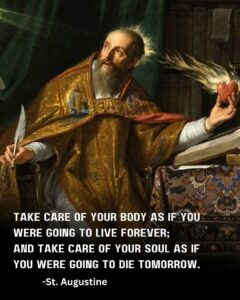
St. Augustine beautifully reminds us: “Take care of your body as if you were going to live forever; and take care of your soul as if you were going to die tomorrow.”

Finally, when Scripture speaks about the fear of the Lord, it does not mean being terrified of God as though He were an angry judge waiting to punish us. Rather, it is the reverent fear that grows out of love—the fear of offending the One who loves us so deeply.

It is the fear of sin because sin wounds our relationship with God. It is the fear of breaking the covenant that Christ established with us through His saving death and resurrection.

Indeed, as the Book of Proverbs reminds us, “The fear of the Lord is the beginning of wisdom.”

Jesus is inviting us to exchange our earthly fears for a holy fear—the fear of losing God’s friendship. When we love God above all else, the fears of this world begin to lose their power over us.

May we therefore live with courage, proclaim our faith without shame, trust completely in God’s providence, and remain faithful to Christ until the day He welcomes us into His eternal kingdom.

Blessings to all.

Fr. Arlon, OSA

The Dictate of the Heart: 11th Sunday in Ordinary Time, Year A

Many people today wander through loneliness, confusion, and spiritual exhaustion. We have experienced devastation caused by natural calamities such as earthquakes. We also witness the unresolved impasse among Philippine senators, which contributes to political instability. People are directly affected by these realities, and yet the Responsorial Psalm 99 today reminds us that God’s kindness and faithfulness never fail for “We are his people, the sheep of his flock.”

We are now returning to Ordinary Time in the Church’s liturgical calendar. After the overflowing graces of the Easter Season and the great feasts that culminated in last Sunday’s Feast of Corpus Christi, we continue our journey with the God who nourishes us with His Body and Blood in the Eucharist. The Eucharist remains our daily sustenance, strengthening us to persevere on our pilgrimage toward our eternal destiny in union with Him.

Today, on the 11th Sunday in Ordinary Time, Year A, all the readings unfold God’s loving relationship with us, His holy people.

In the first reading from the Book of Exodus, we hear how God carried the people of Israel “on eagles’ wings.” The Israelites are reminded to keep His covenant so that they may become a holy nation. Having escaped slavery in Egypt, they were tired, uncertain, and still carrying the wounds of oppression. Yet God speaks tenderly through Moses: “I bore you up on eagle wings and brought you here to myself.” Before giving commandments, God first gives them a sense of belonging. He reminds them that they are His treasured possession, “a kingdom of priests, a holy nation.” God first tells them who they are.

In the second reading from the Letter of St. Paul to the Romans, we are reminded of humanity’s failure to obey the voice of the Lord. Yet, in His compassion, God manifests His love by sending His Son, who offers Himself for us as an ocean of mercy. We are invited to place our trust in the Lord’s overflowing mercy and saving love.

I invite you to focus on Matthew’s Gospel for a clearer understanding of the Church’s evangelizing mission and the work Christ calls each of us to undertake according to His will. As disciples, we are challenged to return conscientiously to the work of evangelization.

First, Jesus looks upon the crowds and is “moved with pity” because they are “like sheep without a shepherd.” Christ is deeply aware of human suffering. He sees our brokenness and afflictions. His heart is wounded by the struggles of humanity, yet He never ceases to lift us up with love and compassion.

Jesus is not only taking pity on the crowd before Him. His concern extends to the whole Church and indeed to the entire human family. This Gospel reveals the mission of Christ that began with the first disciples and continues through every generation, including our own.

Second, Jesus says, “The harvest is abundant but the laborers are few.” God never abandons the world, but too few are willing to follow Him and serve others with His compassion.

Jesus then calls the Twelve Apostles and sends them forth. These are ordinary people—fishermen, tax collectors, imperfect men with fears and weaknesses. Yet He entrusts them with an extraordinary mission: to heal, to proclaim hope, and to bring the Kingdom of God near. They are wounded healers. We, too, are called to continue their mission. Our Christian life is not merely about fulfilling the minimum obligation of attending Mass. It is about spreading God’s love and mercy in ordinary places and everyday situations—in hospitals, homes, workplaces, schools, and communities.

Third, Jesus gives His Apostles “authority over unclean spirits, to raise the dead, to drive them out and to cure every disease and every illness.”

Inspired by this gift of authority, we too are commissioned to work for the building up of God’s Kingdom.

From this Gospel, we learn an important characteristic of missionary discipleship: before we are sent, we are first invited by Jesus. The disciples do not set out on their own initiative. Their mission begins with Christ’s call.

Today, what does this missionary work entail for you and me? Certainly, the work we do is ultimately Christ’s work. We are His collaborators, eager to support and accompany people in their struggles, weaknesses, and helplessness.

The Church is calling us not only to get back to work but also to remember whose work it truly is and in whom we labor. It is Christ who lives in us (Galatians 2:20).

Am I willing to become a worker in God’s harvest? Sure, we can! Jesus says, “Without cost you have received, without cost you are to give.”

Let us continue pressing forward in sowing the good seed, trusting that the Lord of the harvest remains ever present and continues to guide His Church.

God bless you.

Fr. Arlon, OSA


El Dictado del Corazón: Onceavo Domingo del Tiempo Ordinario, Ciclo A

  • Ex 19, 2-6a
  • Sal 100 (99), 1-2, 3, 5
  • Rom 5, 6-11
  • Mt 9, 36–10, 8

En estos tiempos muchas personas vagan en medio de la soledad, la confusión y el agotamiento espiritual. Hemos experimentado la devastación causada por los terremotos, y los desacuerdos aún no resueltos entre los senadores filipinos, lo que contribuye a la inestabilidad política. Las personas se ven afectadas directamente por estas realidades y, sin embargo, el Salmo Responsorial 99 de hoy nos recuerda que la bondad y la fidelidad de Dios nunca fallan porque “Somos su pueblo, las ovejas de su rebaño”.

Ahora regresamos al Tiempo Ordinario en el calendario litúrgico de la Iglesia. Después de las abundantes gracias del Tiempo Pascual y de las grandes solemnidades que culminaron el domingo pasado con la Fiesta del Corpus Christi, continuamos nuestro camino con el Dios que nos alimenta con su Cuerpo y su Sangre en la Eucaristía. La Eucaristía sigue siendo nuestro sustento diario, fortaleciéndonos para perseverar en nuestra peregrinación hacia nuestro destino eterno en unión con Él.

Hoy, en el Onceavo Domingo del Tiempo Ordinario, Ciclo A, todas las lecturas nos revelan la relación amorosa de Dios con nosotros, su pueblo santo.

En la primera lectura, tomada del Libro del Éxodo, escuchamos cómo Dios llevó al pueblo de Israel “sobre alas de águila”. A los israelitas se les recuerda que deben guardar su alianza para convertirse en una nación santa. Después de haber escapado de la esclavitud en Egipto, estaban cansados, inseguros y todavía cargaban las heridas de la opresión. Sin embargo, Dios les habla con ternura por medio de Moisés: “Los traje sobre alas de águila y los conduje hasta mí”. Antes de darles mandamientos, Dios primero les da un sentido de pertenencia. Les recuerda que son su posesión más preciada, “un reino de sacerdotes y una nación santa”. Dios primero les dice quiénes son.

En la segunda lectura, tomada de la Carta de san Pablo a los Romanos, se nos recuerda el fracaso de la humanidad para obedecer la voz del Señor. Sin embargo, en su compasión, Dios manifiesta su amor enviando a su Hijo, quien se ofrece por nosotros como un océano de misericordia. Se nos invita a poner nuestra confianza en la misericordia desbordante y en el amor salvador del Señor.
Los invito a centrar su atención en el Evangelio según san Mateo para comprender con mayor claridad la misión evangelizadora de la Iglesia y la obra que Cristo llama a cada uno de nosotros a realizar conforme a su voluntad. Como discípulos, estamos llamados a retomar con responsabilidad y conciencia la tarea de la evangelización.

En primer lugar, Jesús mira a la multitud y se conmueve profundamente porque estaban “como ovejas sin pastor”. Cristo conoce profundamente el sufrimiento humano. Ve nuestras heridas y aflicciones. Su corazón se duele por las luchas de la humanidad, pero nunca deja de levantarnos con amor y compasión.
Jesús no siente compasión solamente por la multitud que tiene delante. Su preocupación se extiende a toda la Iglesia y, de hecho, a toda la familia humana. Este Evangelio revela la misión de Cristo, que comenzó con los primeros discípulos y continúa a través de cada generación, incluida la nuestra.

En segundo lugar, Jesús dice: “La cosecha es mucha y los trabajadores pocos”. Dios nunca abandona al mundo, pero son pocos los que están dispuestos a seguirlo y servir a los demás con su misma compasión.

Entonces Jesús llama a los Doce Apóstoles y los envía. Son personas comunes: pescadores, recaudadores de impuestos, hombres imperfectos con miedos y debilidades. Sin embargo, Él les confía una misión extraordinaria: sanar, anunciar la esperanza y acercar el Reino de Dios. Son sanadores heridos. Nosotros también estamos llamados a continuar su misión. Nuestra vida cristiana no consiste solamente en cumplir con la obligación mínima de asistir a la Misa. Se trata de difundir el amor y la misericordia de Dios en los lugares ordinarios y en las situaciones cotidianas: en los hospitales, los hogares, los lugares de trabajo, las escuelas y las comunidades.

En tercer lugar, Jesús concede a sus Apóstoles “autoridad sobre los espíritus impuros, para expulsarlos, para resucitar a los muertos y para curar toda enfermedad y dolencia”.

Inspirados por este don de autoridad, también nosotros somos enviados a trabajar por la construcción del Reino de Dios.

De este Evangelio aprendemos una característica importante del discipulado misionero: antes de ser enviados, primero somos llamados por Jesús. Los discípulos no parten por iniciativa propia. Su misión comienza con el llamado de Cristo.

Hoy, ¿qué implica este trabajo misionero para ti y para mí? Ciertamente, la obra que realizamos es, en última instancia, la obra de Cristo. Nosotros somos sus colaboradores, deseosos de apoyar y acompañar a las personas en sus luchas, debilidades e impotencia.

La Iglesia nos llama no solamente a volver al trabajo, sino también a recordar de quién es realmente esta obra y para quién trabajamos. Es Cristo quien vive en nosotros (Gálatas 2, 20).
¿Estoy dispuesto a convertirme en un trabajador de la cosecha de Dios? ¡Claro que sí! Jesús nos dice: “Gratis lo recibieron; denlo gratis”.
Sigamos adelante sembrando la buena semilla, confiando en que el Señor de la mies permanece siempre presente y continúa guiando a su Iglesia.

Que Dios los bendiga.

P. Arlon, OSA

The Dictate of the Heart: The Feast of Corpus Christi, Year A

  • Deuteronomy 8:2-3, 14b-16a
  • Psalm 147:12-13,14-15, 19-20
  • 1 Corinthians 10:16-17
  • John 6:51-58

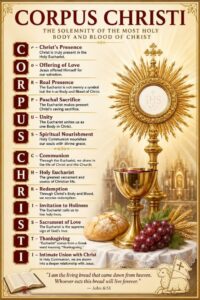
    Today is the Feast of the Body and Blood of Christ. I am reminded of the first millennial saint, St. Carlo Acutis, who had a profound devotion to the Eucharist. His famous words, “The Eucharist is the highway to heaven,” continue to inspire countless believers. At a very young age, he created a website on Eucharistic miracles to help people draw closer to God, who is truly present in the Eucharist. He desired to lead others to believe in the Real Presence of Jesus Christ in the Blessed Sacrament. He understood that helping people recognize the living presence of God is one of the greatest miracles in an age marked by doubt and spiritual indifference. Through this Eucharistic Presence, our faith is strengthened and our relationship with God is deepened. Today, we remember the very truth that moved St. Carlo’s heart: that Jesus Christ is truly present—Body, Blood, Soul, and Divinity—in the Eucharist.

    The heart of Augustinian communal life is the Eucharist. Our Father St. Augustine reminds us: “Behold what you are; become what you receive.” Every time we receive the Body of Christ, we are called to become Christ for others.

    As an Augustinian community, we gather daily around the altar to celebrate the Eucharist and to pray for the needs of the world and for your intentions. I pray that the new generation may be drawn into a deeper love and reverence for our Eucharistic Lord as they encounter Jesus in the Blessed Sacrament.

    This feast opens our hearts to the mystery of the Real Presence of Jesus in the Eucharist. It invites us to move beyond merely receiving Holy Communion and challenges us to become the Body of Christ in our daily lives.

    The first reading from the Book of Deuteronomy recounts how the Israelites were fed with manna during their journey through the desert. Was this not a foreshadowing of the Eucharist? It was not Moses who fed them; it was the Lord Himself.

    In the second reading from the First Letter of St. Paul to the Corinthians, we are reminded that the bread we break is a participation in the Body of Christ, and that though many, we share in one loaf. St. Paul reveals that the Eucharist is the re-presentation of Christ’s sacrificial self-giving. No longer are animal sacrifices offered to God, for the perfect sacrifice of His Son, Jesus Christ, on the Cross has fulfilled and surpassed them. Through His death, the New Covenant between God and humanity was established, bringing new life to the world.

    Thus, Jesus’ offering of His Body and Blood remains in the Church as the enduring memorial of His saving death and resurrection for us.
    In today’s Gospel from St. John, taken from the Bread of Life Discourse, Christ offers Himself as food for the life of the world. Let us reflect on this most humble and profound gift of God.

    First, we encounter the verb “to eat,” which appears repeatedly throughout today’s Gospel. Eating reminds us of the manna in the desert. Just as God physically fed the Israelites so that they would not perish in the wilderness, He now gives us the Eucharist to sustain us through the spiritual and emotional deserts of our lives. The Eucharist is our daily supernatural nourishment. Jesus declares with unmistakable clarity: “For my flesh is true food, and my blood is true drink.” When we receive Christ in the Eucharist, He enters into our very lives and transforms us from within.

    Second, Jesus proclaims: “I am the living bread that came down from heaven.” As we listen to Jesus reveal His true identity as the Living Bread, what remains for us is a response of faith. This is Jesus’ profound gift—His Real Presence offered as continual nourishment for both body and soul. It is the assurance that this heavenly gift remains with us always, freely given within the communion of the Church for the life of the world and for eternal life.

    Third, Jesus says: “Whoever eats my flesh and drinks my blood remains in me and I in him.” These words invite us to remain in Him, with Him, and through Him. The God who nourishes us also transforms us. The Body and Blood of Christ bind us together with one another and with Him. The Eucharist is not merely something we receive; it is a relationship we enter into and a life we are called to embrace.

    In a wounded nation and a divided world, we need the Eucharist more than ever. It strips away our divisions and reminds us that we are one Body in Christ.

    The Solemnity of the Body and Blood of Christ leaves us with a sacred responsibility: to receive this gift worthily and to allow it to transform our lives. The Eucharist teaches us to live eucharistically, shaping our relationships with God, with one another, and with the world. Every Eucharist we celebrate sends us forth to bring love, justice, mercy, and hope to others. We are sent on mission every time we participate in the Mass.

    What do today’s readings challenge us to do? The Body of Christ that we receive at Mass sends us into the world to share Christ with those among whom we live and work. In thanksgiving, we offer our daily and intentional journey of conversion, trusting in the loving and merciful God who remains present in the Eucharist.

    Let us pause and truly internalize the mystery of the Eucharist. May God continue to nourish us with His Body and Blood so that we may become living tabernacles of His presence for others.

    Fr. Arlon, OSA

The Dictate of the Heart: The Solemnity of the Holy Trinity, Year A

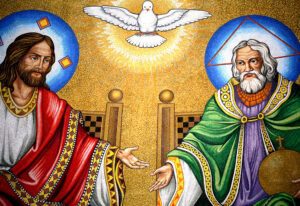
Today is the Solemnity of the Holy Trinity, the fundamental doctrine of the Catholic Church: that there is One God in three distinct Persons — Father, Son, and Holy Spirit — in perfect unity. There are not three gods, but one God. St. Augustine taught us that the Trinity is a mystery too profound for the finite human mind to fully grasp. He illustrated this through the analogy of a child trying to empty the ocean into a small hole in the sand, suggesting that understanding the Trinity is equally impossible for the limited human intellect.

However, this doctrine has been revealed clearly both in Sacred Scripture and in the dogmatic life of the Church. The Church’s liturgy reveals to us not only the God who is Trinity, but also the Trinitarian structure of Christian existence and tradition, as beautifully elucidated by the Fathers of the Church, especially St. Augustine.

On May 25, 2026, His Holiness Pope Leo XIV launched his first encyclical entitled Magnificat Humanitas, meaning “The Magnificent Humanity.” This encyclical is a product of profound reflection intended to guide human hearts toward a deeper understanding of the human person within the context of modern technology, particularly the rise of Artificial Intelligence (AI). It warns us about the dangers of AI and the possible loss of human dignity in this digital age.

Through the Holy Father, the Church speaks to the world about AI, which has increasingly influenced how people work, think, relate, create, learn, and even understand human identity itself. Thus, the Church is morally bound to address its ethical implications and social risks. The Holy Father lovingly reminds us that the real question is not simply how advanced AI may become, but whether humanity itself becomes more faithful, wiser, and more truly human through its development, without losing its God-given dignity.

We must be transformed by Jesus through the Gospel message and Truth, rather than reduced to human robots controlled by a few through the power of algorithms and modern technology.

Furthermore, the Holy Father said: “AI may simulate intelligence, but it cannot love, sacrifice, show compassion, or carry moral responsibility.” This is a timely awakening for all humanity. Our profound transformation must remain rooted in humility, shared responsibility, authentic human presence and relationships, and in listening to many voices. Inventions and technology can assist humanity, but they cannot save it. No machine can fulfill the deepest desires of the human heart — only Jesus Christ can. Ultimately, God must remain at the center.

The three readings today remind us of the wonders of God revealing Himself to Moses as a merciful and compassionate God. St. Paul likewise strives to impart blessings of peace and love by invoking the Trinitarian blessing: “The grace of the Lord Jesus Christ, and the love of God, and the fellowship of the Holy Spirit be with all of you.”

In the Gospel taken from St. John, we encounter important truths. Instead of merely trying to rationalize this fundamental doctrine, perhaps we are invited to know God through a different and more personal approach.

First, the Gospel states succinctly that God is motivated by love to give us His only Son so that everyone who believes in Him might have eternal life. God’s giving of His Son, Jesus Christ, through the Incarnation and His Paschal Mystery, reveals God’s deepest intention and desire: that we might have eternal life. Believing in God’s immense love for the world leads us to a deeper knowledge of God Himself.

Second, while it is true that our human capacities cannot fully explain who God is, it is also true that we are capable of personally knowing and practicing love. We encounter opportunities to give and receive God’s love in our ordinary daily experiences. The more room we make for God’s loving identity in our lives, the more our own identities become shaped by His love. The more our identities become love, the better we are able to love others. The act of loving becomes a reflection of the God who reveals Himself through love.

Third, Moses ascends the mountain and encounters God in a radically personal way. We see the same reality in the Gospel today, where Jesus speaks with Nicodemus in a deeply personal encounter. Moses comes to understand God as the breath of all life: merciful and gracious, slow to anger, and rich in kindness and fidelity. Jesus reveals God as faithful, non-judgmental, liberating, and life-giving. In one word: God is love (1 John 4:8).

Our Catholic identity, being made in the image of the Trinity, calls us to love one another.

What is happening in our world today gives us a profound opportunity to influence others to recognize and participate in God’s loving Trinitarian identity. But this transformation must begin within ourselves — through internal reconciliation as individuals and as communities.

Let us begin to realize that God is indeed very close to us. If Christ is God, and if Christ dwells within us through the Holy Spirit, then through the sacraments God truly lives and acts within us. This ever-living God continues to touch us and dwell among us.

Our loving relationships reflect God’s truth.

Our unity reflects God’s undivided communion.

God bless you.

Fr. Arlon, OSA

The Dictate of the Heart: Pentecost Sunday

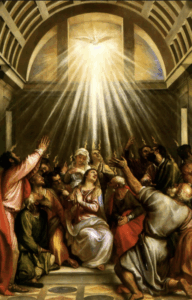
Today, we celebrate Pentecost Sunday, fifty days after the Resurrection of Jesus. With this great feast, the Easter season comes to its glorious conclusion. The promise of Christ to send the Holy Spirit upon His Apostles, gathered in the Upper Room in Jerusalem, was finally fulfilled. This sacred event marks the birth of the Church.

In the first reading from the Acts of the Apostles, we hear how the Holy Spirit descended upon the Apostles gathered in Jerusalem. Those who were once fearful and uncertain were transformed into courageous witnesses of the gospel.

In the 2nd reading from the First Letter of St. Paul to the Corinthians, we are reminded that “we are all one in Christ Jesus.” This remains one of the Church’s greatest concerns today: fostering unity in a deeply divided world. It is also the battle cry of our Holy Father, Pope Leo XIV, whose episcopal motto is “In Illo uno unum” — “In the One, we are one.” It beautifully expresses the hope that although we Christians are many, we become one in Christ.

The gospel from St. John tells us how the risen Jesus appeared to His disciples and bestowed upon them the gift of the Holy Spirit.

Today’s readings invite us to reflect on many beautiful truths that can deeply touch our hearts.

First, Pentecost reminds us that Jesus is always faithful to His promises. After His Resurrection, He fulfilled His promise to send a Helper and Advocate who would strengthen His disciples and empower them to become His witnesses to the ends of the earth. The coming of the Holy Spirit was marked by a strong driving wind and tongues of fire descending upon those gathered. Suddenly, they were able to speak in different languages and understand one another through the power of the Spirit.

What a powerful manifestation of God’s enduring love and presence in the life of the Church! The Holy Spirit transformed fear into courage, confusion into clarity, and division into communion.

Second, Pentecost reminds us of the intimate connection between peace, forgiveness, and the Holy Spirit. Jesus greeted His disciples with peace and commissioned them, saying, “As the Father has sent me, so I send you” (Jn 20:21). He then breathed the Holy Spirit upon them and entrusted to them the ministry of reconciliation through the forgiveness of sins.

Jesus’ act of breathing upon His disciples mirrors God’s act of breathing life into Adam at creation. It is no coincidence that the Hebrew and Greek words for “spirit” can also mean “breath.” The Holy Spirit is the very breath of God that gives life, renews hearts, and restores relationships.

Through the power of the Holy Spirit, the Church continues Christ’s ministry of reconciliation, especially through her sacramental life. The Church exists not merely to teach doctrines, but also to heal wounds, forgive sins, and restore peace among God’s people.

Sadly, many people criticize the role of the Church without recognizing that, in every conflict and division, Christians are called to become instruments of peace and harmony. This reconciling presence of Christ is the mission that the Church continues to uphold and pursue as a way of life.

Third, the gospel reminds us of the call to unity in diversity.

Let us revisit the Jewish feast of Shavuot, or the Feast of Weeks, which commemorated the giving of the Torah on Mount Sinai. It celebrated God’s covenant with His chosen people and became the foundation of moral and ethical life for the Jewish nation.

But through the outpouring of the Holy Spirit at Pentecost, God established not merely a covenant written on stone tablets, but a new community written in the hearts of believers. In Christ, there is no longer “Jew or Greek, slave or free, male or female,” for we are all one through the Holy Spirit who guides us into truth.

This message is especially important for us Filipinos today.

Our country is deeply divided by politics, corruption, and social conflict, often at the expense of the poor and vulnerable. The political climate has become so toxic that dialogue and reconciliation seem almost impossible. Social media has amplified criticism, anger, and hostility from every direction. Everyone has opinions, yet many are no longer guided by prayer, discernment, or the wisdom of the Holy Spirit.

We have forgotten how to truly listen. We have lost openness to journey toward one another’s sacred dwelling place — the human heart.

Pentecost reminds us that we must rediscover the common language of love, peace, and unity.

During the first Pentecost, the disciples were even accused of being intoxicated. Yet, through the power of the Holy Spirit, they accomplished something nearly unimaginable: they transcended their differences, boldly proclaimed the gospel, and brought many people to conversion because the Spirit was with them.

My dear brothers and sisters, the Holy Spirit continues to work in our lives today. If we open our hearts, learn from the teachings of the Apostles, and allow the Spirit to guide us, we will witness wonders beyond our imagination.

May this Pentecost renew our hearts, strengthen our faith, and make us instruments of unity, peace, and reconciliation in our troubled world.

Come, Holy Spirit, Come

Fr. Arlon, OSA