We continue to reflect on the many encounters with the Risen Lord on different occasions. Last week, I had the opportunity to give retreats to two groups of religious sisters, and I found it deeply meaningful to journey with them much like Jesus walking with the two men on the road to Emmaus. Each of us can recall how we encounter the Lord along the journey of our lives.
Today, we continue to reflect on the new hope and new life that come from the Risen Lord Jesus. We discover how His resurrection and the gift of the Holy Spirit transform our lives. Through the guidance and inspiration of the Holy Spirit, we remain in touch with the same Risen Lord, especially as we gather as a community of believers to give thanks to God remembering, celebrating, and believing all that Jesus said and did.
In the first reading from the Book of Acts, we hear the promise that the faithful followers of God will not experience corruption but will be led to the fullness of life in the presence of God. This promise is true not only for Jesus after His death but also for all who remain faithful to the Risen Lord. At our final farewell on earth, we too shall share in glorified life, just as Jesus does.
In the second reading from the First Letter of St. Peter, the newly baptized are reminded that they have been ransomed and set free from their former burdensome life, much like slaves who are freed when someone pays the price for their liberty. The price of this new life is the precious Blood of Jesus, the source of our new hope and new life in His resurrection. Filled with the power of the Holy Spirit, Peter stands up and proclaims his first sermon. The apostles are now commissioned as witnesses to Jesus and His teaching. They truly become apostles those who are sent.
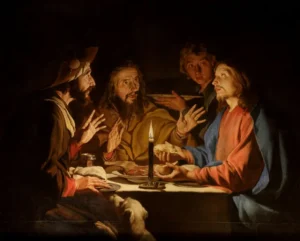
Today’s Gospel from St. Luke beautifully narrates the story of two devoted disciples of Jesus who were deeply saddened by His death. Their hopes seemed lost, even though some followers had reported the empty tomb. As they walked along the road, they shared how they had hoped that Jesus would be the Messiah, the liberator. Instead, He was crucified and died on Friday. While they were walking, a third Person joined them and began to explain the Hebrew Scriptures, revealing how it was necessary for the Messiah to suffer and die in order to bring salvation, healing, and wholeness to God’s people.
This meaningful story offers several points for reflection.
First, the two disciples were seeking consolation as they grieved over what had happened to Jesus at the hands of the religious leaders of their time. As they journeyed, they encountered a fellow traveler who did not seem discouraged. Curious, they wondered if he had heard about the events of the past few days. As they spoke with this stranger, something began to change within them. Jesus listened to them patiently, perhaps in a truly synodal way, understanding their sorrow and allowing them to share their pain after the tragic events in Jerusalem.
Second, when they reached their destination, they invited the stranger, saying, “Stay with us.” While they were at table, the unrecognized guest took bread, said the blessing, broke it, and gave it to them. At that moment, their eyes were opened, and they recognized their Lord and Master—the Risen Jesus. Their hearts were filled with overwhelming joy and excitement.
Whenever we experience God’s presence, our hearts too are filled with joy and enthusiasm. We long to keep Him within our hearts, for He brings an all-embracing joy, peace, love, and mercy.
Third, after the breaking of the bread and the recognition of His presence, the Lord suddenly disappeared from their sight. Yet their hearts were burning with joy, and they hurried back to Jerusalem to tell the other believers that they had encountered the Risen Lord in the breaking of the bread.
This event of the “breaking of the bread” became a way for the early Christians to remember, celebrate, and profess their belief that Jesus is alive and present among them. The early Christian community embraced the celebration of the Eucharist, meaning thanksgiving. They gave thanks to God for sending Jesus into their midst.
To celebrate the Eucharist today is not merely a reenactment of the past. Rather, it is the making present of what Jesus did on the night before He died, when He took bread, said the blessing, broke it, and gave it to His disciples, saying: “Take and eat; this is My Body.” It is not simply thinking about Jesus; it is truly experiencing His presence among us.
The Eucharist reveals the profound reality of what is happening here and now. Whenever we gather as a community of faith, we reflect on the saving events proclaimed in the Word of God. These are not merely stories from thousands of years ago. They are living accounts of how God continues to touch our lives today.
Let us reflect: Does my heart burn when I hear the Word of God proclaimed to me? What helps me to remember, to celebrate, and to believe that Jesus is truly risen and alive?
May God continue to bless you so that you may constantly rejoice in this season of Easter.
God bless you.
Fr. Arlon, OSA