Merry Christmas.
I have just recovered from a severe flu after nine consecutive days of celebrating Misa de Gallo. It was draining, exhausting, and yet deeply enriching. In almost every household, the whole family came together for Mass, waking up as early as two o’clock in the morning and walking to the church just to complete their promise for the novena, patiently begging for God’s blessing.
For a priest, this is a moment of evangelization. Despite the challenges, I fulfilled my ministerial duty. Surely, God’s grace is the very source and joy of priestly commitment.
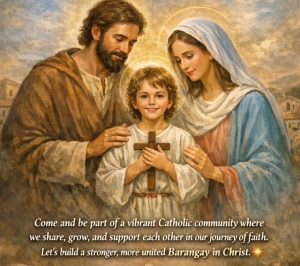
Today, we celebrate the Feast of the Holy Family of Jesus, Mary, and Joseph—an extension of our Christmas celebration. We remember how Joseph protected his family from all kinds of danger. Indeed, the Holy Family was protected by God all the way.
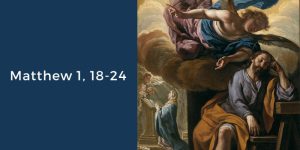
The Gospel invites us to reflect on Joseph’s role as protector of Jesus in the face of danger. Just as in the announcement of Jesus’ birth, an angel appears to Joseph in a dream. The angel warns him of Herod’s plan to harm the child. Joseph obeys without hesitation. He takes Mary and Jesus and flees to Egypt, returning only after receiving another message in a dream that it was safe to do so.
One of Matthew’s themes in this infancy narrative is Jesus as the fulfillment of the Old Testament prophecies about the Messiah. The story of the Holy Family’s flight into Egypt clearly recalls the story of Moses in the Book of Exodus.
In the first reading from the Book of Sirach, we are exhorted about the value of honoring one’s parents. Respect for parents brings many blessings: answered prayers, long life, and a heart ready to care for the elderly.
In the second reading from the Letter of St. Paul to the Colossians, we are encouraged to clothe ourselves with compassion and kindness, to forgive one another, and to let Christ’s peace and teachings guide our lives. We are called to act with gratitude and to do everything in the name of Jesus.
The Gospel from Matthew narrates the flight of the Holy Family into Egypt.
There are salient points worth reflecting on to gain a deeper understanding of the readings and the events that unfolded in the life of the Holy Family.
First, the world of first-century Israel cannot be compared with our modern, advanced, and technological society. Today, instant communication connects us anywhere in the world. We explore the universe and even the quantum reality of existence. These advancements are helpful and necessary, yet we must admit that they also have disadvantages—realities that shape what we see, and even more what we do not see or imagine.
I thought of the situation during the time of Joseph, Mary, and Jesus—their terrified escape into Egypt. I could not imagine the fear of people living under foreign domination.
Joseph, Mary, and their newborn son lived in a land ruled by the cruel Roman Empire and governed by an evil Jewish ruler, King Herod. He was a tyrant afraid of losing his power. When the astrologers and wise men from the East informed him that a new King of the Jews had been born, he became frantic with fear and jealousy. He ordered that every boy under two years of age be killed. Lacking discernment and driven by insecurity, Herod spread fear and violence, never recognizing the child Jesus as the Messiah promised by God.
In many ways, we are like Herod when we cling to power, comfort, and control out of fear of losing them. We fail to pray before the image of the Holy Family and to listen in silence for the plan of God.
Second, Joseph, Mary, and their precious newborn son found themselves in mortal danger. Poor and exhausted after childbirth, they gathered what little they had and fled for their lives. They journeyed into the unknown, trusting completely in God’s will. They traveled through deserts, humid days, and cold nights, facing wild animals and bandits—all for one reason: to protect their child from evil, including the evil intention of Herod.
God guided them through months of hardship, and in the end, they were safe.
How many families today are able to protect their children from danger? When conflicts arise—family feuds or disputes with neighbors—some easily resort to violence rather than witnessing to their faith in a merciful God. We are tempted to take the law into our own hands, responding with hatred instead of love.
Third, I try to imagine the fear and anxiety Joseph and Mary must have felt. As parents, their responsibility was enormous. Their child, Jesus, was destined to fulfill a mission—to restore the broken relationship between humanity and God according to His will. That is why God made an extraordinary effort: their child was conceived by the Holy Spirit.
I imagine the power of their quiet conversations in prayer with God. Joseph and Mary showed a level of faith and courage that is difficult to comprehend. Yet even strong faith does not erase human fear and anxiety. What sustained them was their love for one another, their companionship, and their determination to love, guide, and protect their child—bringing them closer to one another and to God.
Fourth, the description “Holy” does not mean that the Holy Family was distant or unreal. Rather, it reminds us that Jesus grew up in a family that was different only because it was deeply rooted in God.
Joseph and Mary experienced the same joys, sorrows, fears, and worries as any parents. They had friends and neighbors with whom they shared stories, laughter, advice, and tears. When Jesus returned to Nazareth as an adult, those who knew Him rejected Him because He was “only” the son of Joseph and Mary—part of an ordinary family familiar to everyone.
Let us not be afraid to be ordinary. To be “poor in spirit” means to be gentle with others, to identify with them, and to truly share their joys and sorrows. As St. Paul says, “Rejoice with those who rejoice, weep with those who weep.”
All of this brings me back to where I began—reflecting on Joseph, Mary, and Jesus as the Holy Family.
Jesus, Mary, and Joseph, pray for us.
God bless you.
Fr. Arlon, OSA
El Dictado del Corazón
Fiesta de la Sagrada Familia de Jesús, María y José
- Sirácide 3, 2–6. 12–14
- Colosenses 3, 12–21
- Mateo 2, 13–15. 19–23Feliz Navidad!
Acabo de recuperarme de una fuerte gripe después de nueve días consecutivos de celebrar la Misa de Gallo. Fue agotador, extenuante y, sin embargo, profundamente enriquecedor. En casi todos los hogares, la familia entera se reunía para la Misa, despertándose desde las dos de la mañana y caminando hasta la iglesia solo para cumplir su promesa de la novena, rogando pacientemente la bendición de Dios.
Para un sacerdote, este es un momento de evangelización. A pesar de las dificultades, cumplí con mi deber ministerial. Sin duda, la gracia de Dios es la fuente y la alegría misma del compromiso sacerdotal.
Hoy celebramos la Fiesta de la Sagrada Familia de Jesús, María y José, una prolongación de nuestra celebración de la Navidad. Recordamos cómo José protegió a su familia de todo tipo de peligros. En verdad, la Sagrada Familia estuvo siempre protegida por Dios.
El Evangelio nos invita a reflexionar sobre el papel de José como protector de Jesús frente al peligro. Así como en el anuncio del nacimiento de Jesús, un ángel se aparece a José en sueños. El ángel le advierte del plan de Herodes para hacer daño al niño. José obedece sin dudar. Toma a María y a Jesús y huye a Egipto, regresando solo después de recibir otro mensaje en sueños que le indica que ya pueden volver.
Uno de los temas del Evangelio de Mateo en este relato de la infancia es Jesús como cumplimiento de las profecías del Antiguo Testamento sobre el Mesías. La huida de la Sagrada Familia a Egipto recuerda claramente la historia de Moisés en el libro del Éxodo.
En la primera lectura, tomada del libro de Sirácide, se nos exhorta sobre el valor de honrar a los padres. El respeto a los padres trae muchas bendiciones: oraciones escuchadas, una larga vida y un corazón dispuesto a cuidar de los ancianos.
En la segunda lectura, de la carta de san Pablo a los Colosenses, se nos anima a revestirnos de compasión y bondad, a perdonarnos unos a otros y a dejar que la paz de Cristo y su enseñanza guíen nuestra vida. Estamos llamados a actuar con gratitud y a hacerlo todo en el nombre de Jesús.
El Evangelio según san Mateo narra la huida de la Sagrada Familia a Egipto. Hay varios puntos importantes que valen la pena reflexionar para comprender más profundamente las lecturas y los acontecimientos que marcaron la vida de la Sagrada Familia.
Primero, el mundo del Israel del siglo primero no puede compararse con nuestra sociedad moderna y la tecnología avanzada. Hoy, las formas de comunicación nos conectan en cualquier parte del mundo. Exploramos el universo e incluso la realidad cuántica de la existencia. Estos avances son útiles y necesarios, pero debemos admitir que también tienen desventajas: realidades que influyen en lo que vemos y, aún más, en lo que no vemos ni imaginamos.
Pensaba en la situación de José, María y Jesús: su huida aterrorizada hacia Egipto. No puedo imaginar el miedo de vivir bajo la dominación extranjera.
José, María y su hijo recién nacido vivían en una tierra gobernada por el cruel Imperio Romano y administrada por un gobernante judío malvado, el rey Herodes. Era un tirano que temía perder su poder. Cuando los astrólogos y sabios de Oriente le informaron que había nacido un nuevo Rey de los judíos, se llenó de envidia y celos. Ordenó matar a todos los niños menores de dos años. Falta de discernimiento y dominado por la inseguridad, Herodes sembró el terror y la violencia, sin reconocer nunca al niño Jesús como el Mesías prometido por Dios.
De muchas maneras, nosotros nos parecemos a Herodes cuando nos aferramos al poder, a la comodidad y al control por miedo a perderlos. Dejamos de orar ante la imagen de la Sagrada Familia y de escuchar en silencio el plan de Dios.
Segundo, José, María y su precioso hijo recién nacido se encontraron en peligro de muerte. Pobres y agotados después del parto, reunieron lo poco que tenían y huyeron para salvar la vida. Se adentraron en lo desconocido, confiando plenamente en la voluntad de Dios. Caminaron por desiertos, soportaron días húmedos y noches frías, enfrentaron animales salvajes y bandidos, todo por una sola razón: proteger a su hijo del mal, incluyendo el mal propósito de Herodes.
Dios los guió durante meses de dificultad y, al final, estuvieron a salvo.
¿Cuántas familias hoy son capaces de proteger a sus hijos del peligro? Cuando surgen conflictos, pleitos familiares o disputas con vecinos, algunos recurren fácilmente a la violencia en lugar de dar testimonio de su fe en un Dios misericordioso. Somos tentados a tomar la justicia por nuestra propia cuenta, respondiendo con odio en lugar de amor.
Tercero, trato de imaginar el miedo y la ansiedad que José y María debieron haber sentido. Como padres, su responsabilidad era enorme. Su hijo, Jesús, estaba destinado a cumplir una misión: restaurar la relación rota entre la humanidad y Dios según su voluntad. Por eso Dios hizo algo extraordinario: su hijo fue concebido por obra del Espíritu Santo.
Imagino la fuerza de sus conversaciones silenciosas en oración con Dios. José y María mostraron un nivel de fe y valentía difícil de comprender. Sin embargo, ni siquiera una fe fuerte elimina el miedo y la ansiedad que nuestra humanidad experimenta. Lo que los sostuvo fue su amor mutuo, su compañía y su determinación de amar, guiar y proteger a su hijo, lo cual los unió más entre ellos y con Dios.
Cuarto, el calificativo de “Santa” no significa que la Sagrada Familia fuera distante o irreal. Más bien, nos recuerda que Jesús creció en una familia que era diferente solo porque estaba profundamente enraizada en Dios.
José y María vivieron las mismas alegrías, tristezas, miedos y preocupaciones que cualquier padre. Tuvieron amigos y vecinos con quienes compartieron historias, risas, consejos y lágrimas. Cuando Jesús regresó a Nazaret como adulto, quienes lo conocían lo rechazaron porque era “solo” el hijo de José y María, parte de una familia ordinaria conocida por todos.
No tengamos miedo de ser ordinarios. Ser “pobres de espíritu” significa ser mansos con los demás, identificarnos con ellos y compartir verdaderamente sus alegrías y sus penas. Como dice san Pablo: “Alégrense con los que se alegran y lloren con los que lloran”.
Todo esto contribuye en mi primer punto: contemplar a José, María y Jesús como la Sagrada Familia.
Jesús, María y José, rueguen por la unión de nuestras familias.
Que Dios los bendiga.
Fr. Arlon, OSA