- Isaiah 42:1–4, 6–7
- Psalm 29:1–4, 9–10
- Acts 10:34–38
- Matthew 3:13–17
Many of us feel great joy and excitement when we baptize our children. For Filipinos, this is often a major family celebration. While traditionally only one or two godparents are expected, Filipino families often choose a dozen or more. As a result, the baptism can sometimes feel more like a social gathering than a deeply religious event—one that signifies our commitment to receive the indelible mark of faith and to profess our belief in the Triune God.
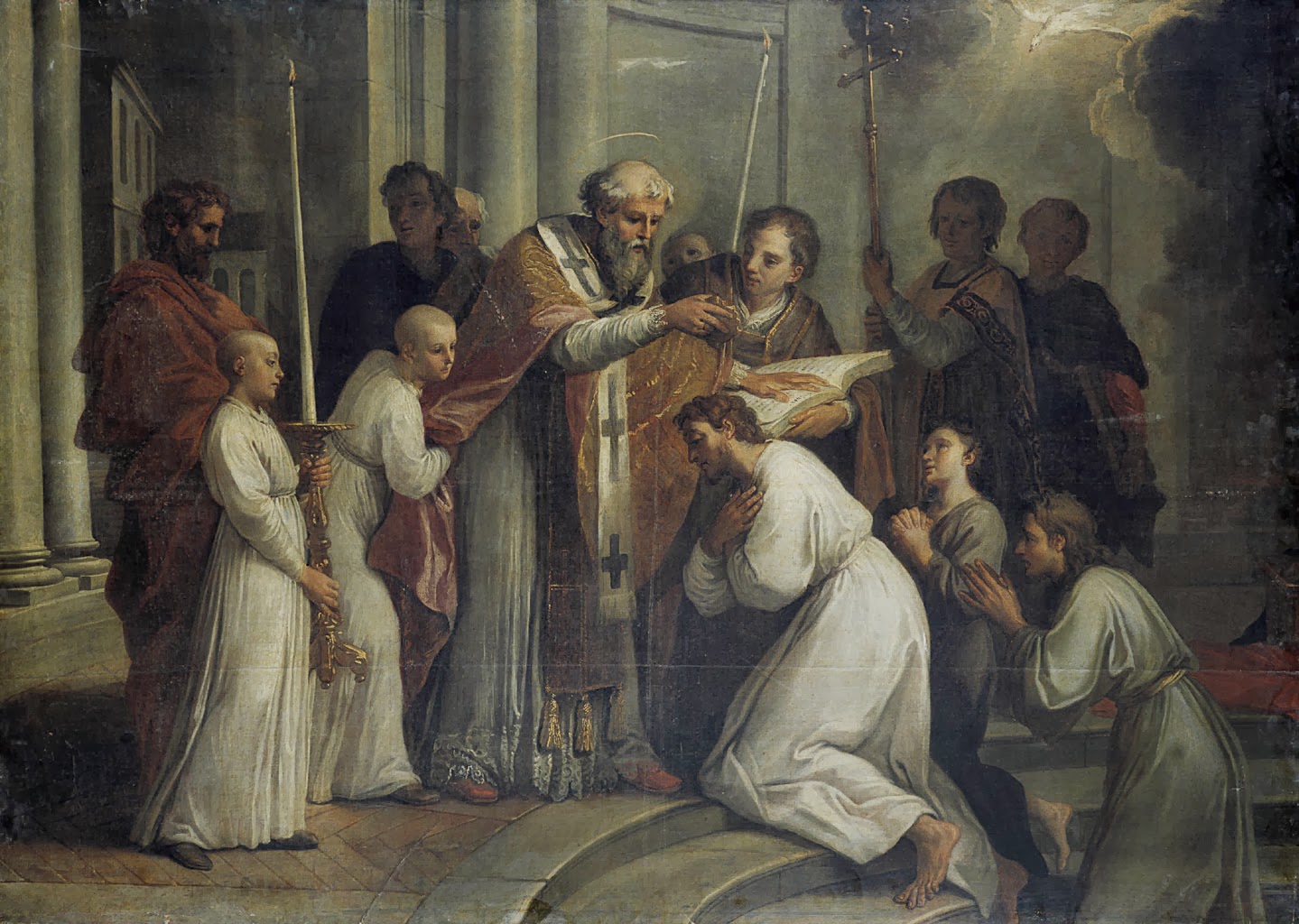
Today, we celebrate the Baptism of Jesus in the River Jordan by John the Baptist, as narrated in today’s Gospel. The Baptism of Jesus marks the transition from His hidden, private life to the beginning of His public ministry. After this feast, we return to Ordinary Time in the Church calendar, carrying with us the meaning of this profound event.
In the first reading from the Book of Isaiah, we hear about the “Servant of the Lord,” a prophetic image pointing to the Messiah. God chooses this servant to be a light to the nations—bringing healing to the sick, comfort to the distressed, and freedom to captives. The Spirit of God descends upon Him, empowering Him to accomplish this mission of salvation and restoration.
In the second reading from the Acts of the Apostles, Peter proclaims the Lordship of Jesus Christ. He emphasizes that Jesus’ ministry began with His baptism, when He was anointed by the Holy Spirit. From that moment on, Jesus went about doing good, proclaiming the Good News to all who encountered Him.
Matthew’s account of Jesus’ baptism highlights Jesus as the Messiah and as one greater than John the Baptist. John initially hesitates and asks Jesus to baptize him instead. This humble gesture from John reveals his deep recognition of who Jesus truly is—the fullness of God’s presence among His people.
There are important lessons we can draw from the Baptism of Jesus.
First, a voice from heaven declares: “This is my beloved Son, with whom I am well pleased.” This is a defining moment in which Jesus is revealed as the Son of God, the Anointed One. He comes to proclaim salvation not by being served, but by serving others through genuine love, humility, and self-giving ministry.
Like Jesus, we too are called to share in His mission. This means working for the sanctification of others—helping people grow in holiness and deepen their relationship with Christ through our words, actions, and example.
Second, being called “beloved” is not just a title; it is a call to action. As soon as Jesus emerged from the water, He was empowered to confront injustice, to bring healing and mercy, and to lift up those who were marginalized. In doing so, He made visible the coming of God’s Kingdom.
Third, we must reflect on why Jesus submitted Himself to John’s baptism. Jesus did not need forgiveness, for He was without sin. Rather, His baptism signified the beginning of His mission. He was set apart and sent to proclaim the Good News through both word and deed. God was actively at work among the people, and Jesus led them as a dedicated Servant-Leader into the Reign of God.
Today, we are invited not only to reflect on the baptism of Jesus, but also to consider what our own baptism means for us. In baptism, we share in God’s life of grace and participate in the mission and ministry of Jesus.
Jesus’ baptism reminds us that God is with us and stands in solidarity with us. God does not run away from the pain and suffering of the world; instead, God enters into it and walks with us.
As Jesus stepped into the waters to renew and transform the world, we too are called to become embodiments of justice, mercy, and love. Let us continue to nurture relationships that are deeply rooted in justice and faithfulness to God’s Kingdom.
God bless you.
Fr. Arlon, OSA
El Dictado del Corazón: La Fiesta del Bautismo de Jesús (Año A)
- Isaías 42, 1–4. 6–7
- Salmo 29, 1–4. 9–10
- Hechos 10, 34–38
- Mateo 3, 13–17
Muchos de nosotros experimentamos una gran alegría y emoción cuando bautizamos a nuestros hijos. Para los filipinos, este momento suele ser una gran celebración familiar. Aunque tradicionalmente se espera solo uno o dos padrinos, muchas familias filipinas eligen una docena o incluso más. Como resultado, el bautismo a veces puede parecer más una reunión social que un acontecimiento profundamente religioso, uno que significa nuestro compromiso de recibir el sello indelible de la fe y de profesar nuestra creencia en el Dios Uno y Trino.
Hoy celebramos el Bautismo de Jesús en el río Jordán por Juan el Bautista, como nos lo narra el Evangelio de este día. El Bautismo de Jesús marca la transición de su vida oculta y privada al inicio de su ministerio público. Después de esta fiesta, regresamos al Tiempo Ordinario en el calendario litúrgico, llevando con nosotros el significado de este acontecimiento tan profundo.
En la primera lectura, tomada del libro del profeta Isaías, escuchamos acerca del “Siervo del Señor”, una imagen profética que apunta al Mesías. Dios elige a este Siervo para ser luz de las naciones, llevando sanación a los enfermos, consuelo a los afligidos y libertad a los cautivos. El Espíritu de Dios desciende sobre Él, afirmando que El, es el hijo amado, el cual llevara a cabo esta misión de salvación y restauración.
En la segunda lectura, de los Hechos de los Apóstoles, Pedro proclama el señorío de Jesucristo. Destaca que el ministerio de Jesús comenzó con su bautismo, cuando fue ungido por el Espíritu Santo. A partir de ese momento, Jesús pasó haciendo el bien y anunciando la Buena Nueva a todos los que lo escuchaban.
El relato de Mateo sobre el bautismo de Jesús subraya que Jesús es el Mesías y que es superior a Juan el Bautista. Juan, al principio, duda y le pide a Jesús que sea Él quien lo bautice. Este gesto humilde de Juan revela su profundo reconocimiento de quién es verdaderamente Jesús: la plenitud de la presencia de Dios entre su pueblo.
Hay importantes lecciones que podemos aprender del Bautismo de Jesús.
Primero, una voz del cielo declara: “Este es mi Hijo amado, en quien me complazco”. Este es un momento decisivo en el que Jesús es revelado como el Hijo de Dios, el Ungido. Él viene a proclamar la salvación no siendo servido, sino sirviendo a los demás mediante un amor auténtico, la humildad y una entrega total.
Así como Jesús, también nosotros estamos llamados a participar en su misión. Esto significa trabajar por la santificación de los demás, ayudando a las personas a crecer en santidad y a profundizar su relación con Cristo mediante nuestras palabras, nuestras acciones y nuestro testimonio.Segundo, ser llamados “amados” no es solo un título; es un llamado a la acción. Tan pronto como Jesús salió del agua, fue fortalecido para enfrentar la injusticia, llevar sanación y misericordia, y levantar a los marginados. De esta manera, hizo visible la llegada del Reino de Dios.
Tercero, debemos reflexionar sobre por qué Jesús se sometió al bautismo de Juan. Jesús no necesitaba perdón, pues estaba libre de pecado. Más bien, su bautismo señaló el inicio de su misión. Fue consagrado y enviado a proclamar la Buena Nueva con palabras y obras. Dios estaba actuando activamente entre su pueblo, y Jesús los guió como un Siervo-Líder comprometido hacia el Reino de Dios.
Hoy se nos invita no solo a reflexionar sobre el bautismo de Jesús, sino también a considerar qué significa para nosotros nuestro propio bautismo. En el bautismo, participamos de la vida de la gracia de Dios y de la misión y el ministerio de Jesús.
El bautismo de Jesús nos recuerda que Dios está con nosotros y se solidariza con nosotros. Dios no huye del dolor ni del sufrimiento del mundo; por el contrario, entra en él y camina a nuestro lado.
Así como Jesús entró en las aguas para renovar y transformar el mundo, también nosotros estamos llamados a ser encarnaciones de la justicia, la misericordia y el amor. Continuemos fomentando relaciones profundamente enraizadas en la justicia y en la fidelidad al Reino de Dios.
Que Dios los bendiga.
P. Arlon, OSA