Today, on this eleventh day of the Christmas season, we celebrate the Feast of the Epiphany of the Lord. There is so much to reflect upon in today’s celebration.
The word Epiphany comes from the Greek Epiphania, a compound of two words: “epi” meaning “upon,” and “phania” meaning “shining.” Thus, Epiphany means “a shining upon.” It is often translated as manifestation or revelation, but I personally love the meaning “shining upon.”
Indeed, we have seen the Light shining upon the world in Jesus Christ, the Messiah. This theme of light beautifully runs through today’s readings. Jesus shines upon the world through His birth; He shines upon the Jewish shepherds, upon the wise men from the East, upon John the Baptist, and later through His first miracle at Cana and through countless healings. Christ is the Light that never stops shining.
Only a few days into the New Year 2026, many people have already greeted us with good wishes—hopes for new beginnings, dreams, opportunities, happiness, and success. Our hearts are illuminated with love, joy, and peace—not merely from celebrations or fireworks, but from sincere hearts that welcome the year with positive energy, serenity, and a willingness to forgive and to be forgiven.
In the first reading, the Prophet Isaiah proclaims that the Light of the Lord has come, and the glory of the Lord shines upon the earth. Out of darkness, a new light dawns—not only for Israel, but for all nations. People from far and wide, believers and even non-believers, come forward bringing gifts and rejoicing with glad tidings and joy.
In the second reading, St. Paul reminds the Ephesians that every nation is called to adore the Lord. The Gentiles, represented by the wise men are co-heirs of God’s promise. Salvation is not exclusive. It is offered to all who welcome Christ.
St. Paul boldly proclaims that the Gentiles are co-heirs with the Jews. The Kingdom of God does not belong to one people alone. It is open to all who accept Jesus. God, who came to dwell among us, shines upon all peoples. This, brothers and sisters, is the Good News.
In the Gospel, St. Matthew narrates the visit of the Magi. He does not call them kings, but wise men from the East. What does this story reveal to us today?
First, the Gospel tells us that the wise men followed a star—a sign that the Savior had been born. That same star shines upon us today, leading us to Christ, the King.
As they journeyed, they encountered King Herod, who asked about the newborn King of the Jews. Herod feared losing his power and saw Jesus as a threat. Though he pretended to seek homage, his heart was filled with fear and jealousy. This reminds us how easily darkness resists the light.
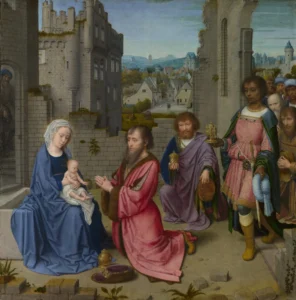
Second, the Magi eventually arrive in Bethlehem and find the Child with Mary, His mother. Matthew does not mention a manger, but a house. Jesus is no longer a newborn infant, but a young child. What matters most, however, is not the place—but the presence of Christ.
Third, the gifts they offer speak volumes. Gold for a King, frankincense for God, and myrrh—used for burial—point to the mystery of Jesus as true God and true Man, destined to suffer for our salvation. These gifts proclaim who Jesus truly is.
From the earliest days, the Church understood Epiphany as a manifestation of Christ to the Gentiles—a revelation that the Light of the world shines upon everyone. Jesus is the Light for all nations.
My brothers and sisters, this light shines upon you and me. We are beneficiaries of God’s divine life and light. But we cannot keep this light to ourselves. We are called to share it, especially with those who are walking through dark and difficult moments in their lives.
How do we allow our light to shine upon others?
By showing care, compassion, forgiveness, and love. This is our shared calling as Christians—to be bearers of the Light.
We must remember that the light we share does not come from ourselves. We must continually return to Christ, the source of true light, deepening our relationship with Him. Only then can we shine with strength and authenticity.
May the Light of Christ fill us with enthusiasm and courage to shine upon others. May we never tire of sharing that light.
May God bless you all. Praying the best for you this New Year 2026!
Fr. Arlon, OSA
El Dictado del Corazón: Solemnidad de la Epifanía del Señor (Año A)
- Isaías 60, 1–6
- Salmo 72
- Efesios 3, 2–6
- Mateo 2, 1–12
Hoy, en este decimoprimer día del tiempo de Navidad, celebramos la Fiesta de la Epifanía del Señor. Hay mucho sobre lo cual reflexionar en la celebración de hoy.
La palabra Epifanía proviene del griego Epiphania, un compuesto de dos palabras: epi, que significa “sobre”, y phania, que significa “brillar”. Así, Epifanía significa “un brillar sobre”. A menudo se traduce como manifestación o revelación, pero personalmente me encanta el significado de “brillar sobre”.
En verdad, hemos visto la Luz brillar sobre el mundo en Jesucristo, el Mesías. Este tema de la luz recorre bellamente las lecturas de hoy. Jesús brilla sobre el mundo a través de su nacimiento; brilla sobre los pastores judíos, sobre los sabios de Oriente, sobre Juan el Bautista, y más tarde a través de su primer milagro en Caná y de innumerables curaciones. Cristo es la Luz que nunca deja de brillar.
Apenas unos días después de iniciado el Año Nuevo 2026, muchas personas ya nos han expresado buenos deseos: esperanzas de nuevos comienzos, sueños, oportunidades, felicidad y éxito. Nuestros corazones se iluminan con amor, alegría y paz, no solo por las celebraciones o los fuegos artificiales, sino por corazones sinceros que acogen el año con energía positiva, serenidad y una disposición a perdonar y a ser perdonados.
En la primera lectura, el profeta Isaías proclama que ha llegado la Luz del Señor y que la gloria del Señor brilla sobre la tierra. De la oscuridad surge una nueva luz, no solo para Israel, sino para todas las naciones. Personas de todas partes, creyentes e incluso no creyentes, avanzan trayendo dones y se alegran con noticias de gozo y alegría.
En la segunda lectura, san Pablo recuerda a los efesios que toda nación está llamada a adorar al Señor. Los gentiles, representados por los sabios, son coherederos de la promesa de Dios. La salvación no es exclusiva. Se ofrece a todos los que acogen a Cristo.
San Pablo proclama con valentía que los gentiles son coherederos junto con los judíos. El Reino de Dios no pertenece a un solo pueblo. Está abierto a todos los que aceptan a Jesús. Dios, que vino a habitar entre nosotros, brilla sobre todos los pueblos. Esta, hermanos y hermanas, es la Buena Nueva.
En el Evangelio, san Mateo narra la visita de los Magos. No los llama reyes, sino sabios venidos de Oriente. ¿Qué nos revela hoy esta historia?
Primero, el Evangelio nos dice que los sabios siguieron una estrella, señal de que había nacido el Salvador. Esa misma estrella brilla hoy sobre nosotros y nos conduce a Cristo, el Rey.
En su camino, se encontraron con el rey Herodes, quien preguntó por el recién nacido Rey de los judíos. Herodes temía perder su poder y veía a Jesús como una amenaza. Aunque fingía buscar rendirle homenaje, su corazón estaba lleno de miedo y celos. Esto nos recuerda cuán fácilmente la oscuridad se resiste a la luz.
Segundo, los Magos finalmente llegan a Belén y encuentran al Niño con María, su madre. Mateo no menciona un pesebre, sino una casa. Jesús ya no es un recién nacido, sino un niño pequeño. Sin embargo, lo más importante no es el lugar, sino la presencia de Cristo.
Tercero, los dones que ofrecen dicen mucho. Oro para un Rey, incienso para Dios, y mirra, usada para la sepultura, que apunta al misterio de Jesús como verdadero Dios y verdadero Hombre, destinado a sufrir por nuestra salvación. Estos dones proclaman quién es Jesús en realidad.
Desde los primeros tiempos, la Iglesia comprendió la Epifanía como una manifestación de Cristo a los gentiles, una revelación de que la Luz del mundo brilla sobre todos. Jesús es la Luz para todas las naciones.
Hermanos y hermanas, esta luz brilla sobre ti y sobre mí. Somos beneficiarios de la vida y de la luz divina de Dios. Pero no podemos quedarnos con esta luz solo para nosotros. Estamos llamados a compartirla, especialmente con quienes atraviesan momentos oscuros y difíciles en sus vidas.
¿Cómo permitimos que nuestra luz brille sobre los demás?Mostrando cuidado, compasión, perdón y amor. Este es nuestro llamado común como cristianos: ser portadores de la Luz.
Debemos recordar que la luz que compartimos no proviene de nosotros mismos. Necesitamos volver continuamente a Cristo, la fuente de la verdadera luz, profundizando nuestra relación con Él. Solo así podremos brillar con fuerza y autenticidad.
Que la Luz de Cristo nos llene de entusiasmo y valentía para brillar sobre los demás. Que nunca nos cansemos de compartir esa luz.
Que Dios los bendiga a todos.
P. Arlon, OSA