- Isaiah 35:1–6, 10
- Psalm 146:6–7, 8–9, 9–10
- James 5:7–10
- Matthew 11:2–11
The Entrance Antiphon for today’s Mass, taken from Philippians 4:4–5, proclaims: “Rejoice in the Lord always; again I say, rejoice! The Lord is near.”
Today, the Advent wreath glows with a pink candle, replacing the usual purple. This simple change reminds us that Advent is not only a season of waiting but also a season of joyful anticipation. This 3rd Sunday of Advent assures us that our salvation is near.
This past week, two groups of Senior High School students, nearly two hundred young people came for an overnight retreat. With joyful openness, they entered into this spiritual renewal in preparation for graduation and for Advent. Many of them carry unspoken wounds from recent earthquakes and flooding experiences that left deep emotional and mental scars. Yet, in the silence of prayer and through the Sacraments of the Eucharist and Reconciliation, they encountered God, the perfect healer.
Witnessing their courage and vulnerability, I was reminded that God meets us precisely in our brokenness. I am deeply grateful to have walked with them in their journey of healing strengthening their hope and restoring joy, especially fitting as we celebrate Gaudete Sunday, a day of rejoicing.
The readings today echo this same joy and hope.
In the 1st reading, the Prophet Isaiah proclaims a powerful vision: sorrow will fade, mourning will cease, the desert will bloom, and the weak will be strengthened. This promise invites us to a change of heart, to embrace God’s presence so that we may face our trials with renewed faith and courage.In the 2nd reading James exhorts us to practice patience as we await the Lord’s coming. Like farmers waiting for the harvest, we are called to trust in God’s perfect timing, strengthening our hearts even when fulfillment seems delayed.
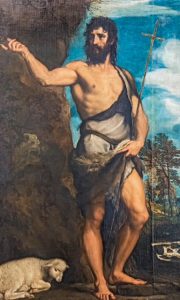
The gospel according to Matthew presents us with a striking moment: John the Baptist, now imprisoned, sends his disciples to ask Jesus, “Are you the one who is to come, or should we look for another?” John seeks confirmation, not out of doubt, but out of deep longing and faith.
Jesus does not respond with arguments or titles. Instead, He points to His works: “The blind see, the lame walk, the deaf hear, the dead are raised.” These signs fulfill Isaiah’s prophecy and reveal that the Kingdom of God is already unfolding.
There are several pivotal truths emerge from this Gospel.
First, Jesus invites John and all of us to recognize the Kingdom through the signs of love, healing, and transformation already present among us. So like John the Baptist, even in prison, he was faithful to his important role in salvation history.
Second, Jesus praises John as more than a prophet and then makes a remarkable declaration: all who work for the Kingdom of God will share in that greatness and even surpass it.
Salvation has already begun, yet it awaits its fulfillment. It is present in Christ’s miracles, in the life of the Church, and in every act of goodness we offer.
Third, John’s call to repentance remains deeply relevant. Like the tax collectors and sinners who honestly asked how to prepare for the Messiah, we too must ask ourselves:
What must I do to welcome Christ sincerely this Christmas?The answer is simple yet demanding: to live justly, to act charitably, to be honest in our work, fair in our dealings, and mindful of how our actions affect others. In a world marked by injustice, we may feel powerless—but we are not. We can begin by putting our own conscience in order, by giving each person their due, and by becoming examples of integrity and compassion.
Gaudete Sunday reminds us that joy does not come from a world which offers wrong values but from the nearness of Christ. Even in deserts, God makes flowers bloom. Even in waiting, He is at work.
As we continue our Advent journey, may we recognize the signs of God’s presence around us. May our words and deeds prepare the way for His Kingdom. And may our hearts rejoice, for the Lord is truly near.
Come, Lord Jesus, come.
Fr. Arlon, OSA
El Dictado del Corazón
Tercer Domingo de Adviento (Domingo de Gaudete), Ciclo A
- Isaías 35, 1–6.10
- Salmo 146, 6–7.8–9.9–10
- Santiago 5, 7–10
- Mateo 11, 2–11
La Antífona de Entrada de la Misa de hoy, tomada de Filipenses 4, 4–5, proclama:
“Alégrense siempre en el Señor; se lo repito, alégrense. El Señor está cerca.”Hoy, la corona de Adviento resplandece con una vela rosa, que reemplaza el color morado habitual. Este sencillo cambio nos recuerda que el Adviento no es solo un tiempo de espera, sino también un tiempo de alegre esperanza. Este Tercer Domingo de Adviento nos asegura que nuestra salvación está cerca.
La semana pasada, dos grupos de estudiantes de preparatoria, casi doscientos jóvenes, participaron en un retiro de una noche. Con alegría y apertura, se dispusieron a esta renovación espiritual como preparación para su graduación y para el Adviento. Muchos de ellos cargan heridas no expresadas a causa de experiencias recientes de terremotos e inundaciones que dejaron profundas cicatrices emocionales y mentales. Sin embargo, en el silencio de la oración y a través de los sacramentos de la Eucaristía y la Reconciliación, se encontraron con Dios, el sanador perfecto.
Al ser testigo de su valentía y vulnerabilidad, recordé que Dios nos sale al encuentro precisamente en nuestra fragilidad. Estoy profundamente agradecido de haber caminado con ellos en su proceso de sanación, fortaleciendo su esperanza y restaurando su alegría, algo especialmente significativo mientras celebramos el Domingo de Gaudete, un día de gozo.
Las lecturas de hoy hacen eco de esta misma alegría y esperanza.
En la primera lectura, el profeta Isaías proclama una visión poderosa: el dolor desaparecerá, el luto cesará, el desierto florecerá y los débiles serán fortalecidos. Esta promesa nos invita a una conversión del corazón, a acoger la presencia de Dios para enfrentar nuestras pruebas con una fe y un valor renovados.
En la segunda lectura, Santiago nos exhorta a practicar la paciencia mientras esperamos la venida del Señor. Como los campesinos que aguardan la cosecha, somos llamados a confiar en el tiempo perfecto de Dios, fortaleciendo nuestro corazón incluso cuando la realización parece tardar.
El Evangelio según san Mateo nos presenta un momento impactante: Juan el Bautista, ahora encarcelado, envía a sus discípulos a preguntar a Jesús:
”¿Eres tú el que ha de venir o debemos esperar a otro?”
Juan busca confirmación, no por duda, sino por un profundo anhelo y fe.Jesús no responde con argumentos ni títulos. Más bien, señala sus obras:
“Los ciegos ven, los cojos andan, los sordos oyen, los muertos resucitan.”
Estos signos cumplen la profecía de Isaías y revelan que el Reino de Dios ya está en acción.De este Evangelio surgen varias verdades fundamentales.
Primero, Jesús invita a Juan y a todos nosotros a reconocer el Reino a través de los signos de amor, sanación y transformación que ya están presentes entre nosotros. Así como Juan el Bautista, aun en la cárcel, permaneció fiel a su importante misión en la historia de la salvación.
Segundo, Jesús alaba a Juan como más que un profeta y luego hace una declaración sorprendente: todos los que trabajan por el Reino de Dios participarán de esa grandeza e incluso la superarán.
La salvación ya ha comenzado, aunque todavía espera su plenitud. Está presente en los milagros de Cristo, en la vida de la Iglesia y en cada acto de bondad que ofrecemos.
Tercero, el llamado de Juan a la conversión sigue siendo profundamente actual. Al igual que los publicanos y pecadores que preguntaban sinceramente cómo prepararse para la venida del Mesías, también nosotros debemos preguntarnos:
¿Qué debo hacer para acoger sinceramente a Cristo esta Navidad?La respuesta es sencilla, pero exigente: vivir con justicia, actuar con caridad, ser honestos en nuestro trabajo, justos en nuestras relaciones y conscientes de cómo nuestras acciones afectan a los demás. En un mundo marcado por la injusticia, podemos sentirnos impotentes, pero no lo estamos. Podemos comenzar poniendo en orden nuestra propia conciencia, dando a cada persona lo que le corresponde y convirtiéndonos en ejemplos de integridad y compasión.
El Domingo de Gaudete nos recuerda que la alegría no proviene de un mundo que ofrece valores equivocados, sino de la cercanía de Cristo. Aun en el desierto, Dios hace florecer la vida. Aun en la espera, Él sigue obrando.
Al continuar nuestro camino de Adviento, que sepamos reconocer los signos de la presencia de Dios a nuestro alrededor. Que nuestras palabras y obras preparen el camino para su Reino. Y que nuestros corazones se llenen de gozo, porque el Señor verdaderamente está cerca.
Ven, Señor Jesús, ven.
P. Arlon, OSA