The Dictate of the Heart: The Feast of the Holy Family of Jesus, Mary, and Joseph

Merry Christmas.

I have just recovered from a severe flu after nine consecutive days of celebrating Misa de Gallo. It was draining, exhausting, and yet deeply enriching. In almost every household, the whole family came together for Mass, waking up as early as two o’clock in the morning and walking to the church just to complete their promise for the novena, patiently begging for God’s blessing.

For a priest, this is a moment of evangelization. Despite the challenges, I fulfilled my ministerial duty. Surely, God’s grace is the very source and joy of priestly commitment.

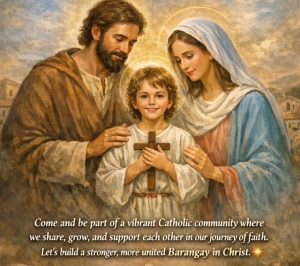
Today, we celebrate the Feast of the Holy Family of Jesus, Mary, and Joseph—an extension of our Christmas celebration. We remember how Joseph protected his family from all kinds of danger. Indeed, the Holy Family was protected by God all the way.

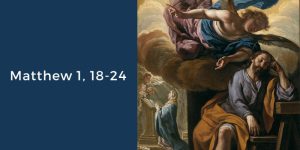
The Gospel invites us to reflect on Joseph’s role as protector of Jesus in the face of danger. Just as in the announcement of Jesus’ birth, an angel appears to Joseph in a dream. The angel warns him of Herod’s plan to harm the child. Joseph obeys without hesitation. He takes Mary and Jesus and flees to Egypt, returning only after receiving another message in a dream that it was safe to do so.

One of Matthew’s themes in this infancy narrative is Jesus as the fulfillment of the Old Testament prophecies about the Messiah. The story of the Holy Family’s flight into Egypt clearly recalls the story of Moses in the Book of Exodus.

In the first reading from the Book of Sirach, we are exhorted about the value of honoring one’s parents. Respect for parents brings many blessings: answered prayers, long life, and a heart ready to care for the elderly.

In the second reading from the Letter of St. Paul to the Colossians, we are encouraged to clothe ourselves with compassion and kindness, to forgive one another, and to let Christ’s peace and teachings guide our lives. We are called to act with gratitude and to do everything in the name of Jesus.

The Gospel from Matthew narrates the flight of the Holy Family into Egypt.

There are salient points worth reflecting on to gain a deeper understanding of the readings and the events that unfolded in the life of the Holy Family.

First, the world of first-century Israel cannot be compared with our modern, advanced, and technological society. Today, instant communication connects us anywhere in the world. We explore the universe and even the quantum reality of existence. These advancements are helpful and necessary, yet we must admit that they also have disadvantages—realities that shape what we see, and even more what we do not see or imagine.

I thought of the situation during the time of Joseph, Mary, and Jesus—their terrified escape into Egypt. I could not imagine the fear of people living under foreign domination.

Joseph, Mary, and their newborn son lived in a land ruled by the cruel Roman Empire and governed by an evil Jewish ruler, King Herod. He was a tyrant afraid of losing his power. When the astrologers and wise men from the East informed him that a new King of the Jews had been born, he became frantic with fear and jealousy. He ordered that every boy under two years of age be killed. Lacking discernment and driven by insecurity, Herod spread fear and violence, never recognizing the child Jesus as the Messiah promised by God.

In many ways, we are like Herod when we cling to power, comfort, and control out of fear of losing them. We fail to pray before the image of the Holy Family and to listen in silence for the plan of God.

Second, Joseph, Mary, and their precious newborn son found themselves in mortal danger. Poor and exhausted after childbirth, they gathered what little they had and fled for their lives. They journeyed into the unknown, trusting completely in God’s will. They traveled through deserts, humid days, and cold nights, facing wild animals and bandits—all for one reason: to protect their child from evil, including the evil intention of Herod.

God guided them through months of hardship, and in the end, they were safe.

How many families today are able to protect their children from danger? When conflicts arise—family feuds or disputes with neighbors—some easily resort to violence rather than witnessing to their faith in a merciful God. We are tempted to take the law into our own hands, responding with hatred instead of love.

Third, I try to imagine the fear and anxiety Joseph and Mary must have felt. As parents, their responsibility was enormous. Their child, Jesus, was destined to fulfill a mission—to restore the broken relationship between humanity and God according to His will. That is why God made an extraordinary effort: their child was conceived by the Holy Spirit.

I imagine the power of their quiet conversations in prayer with God. Joseph and Mary showed a level of faith and courage that is difficult to comprehend. Yet even strong faith does not erase human fear and anxiety. What sustained them was their love for one another, their companionship, and their determination to love, guide, and protect their child—bringing them closer to one another and to God.

Fourth, the description “Holy” does not mean that the Holy Family was distant or unreal. Rather, it reminds us that Jesus grew up in a family that was different only because it was deeply rooted in God.

Joseph and Mary experienced the same joys, sorrows, fears, and worries as any parents. They had friends and neighbors with whom they shared stories, laughter, advice, and tears. When Jesus returned to Nazareth as an adult, those who knew Him rejected Him because He was “only” the son of Joseph and Mary—part of an ordinary family familiar to everyone.

Let us not be afraid to be ordinary. To be “poor in spirit” means to be gentle with others, to identify with them, and to truly share their joys and sorrows. As St. Paul says, “Rejoice with those who rejoice, weep with those who weep.”

All of this brings me back to where I began—reflecting on Joseph, Mary, and Jesus as the Holy Family.

Jesus, Mary, and Joseph, pray for us.

God bless you.

Fr. Arlon, OSA


El Dictado del Corazón

Fiesta de la Sagrada Familia de Jesús, María y José

  • Sirácide 3, 2–6. 12–14
  • Colosenses 3, 12–21
  • Mateo 2, 13–15. 19–23Feliz Navidad!

Acabo de recuperarme de una fuerte gripe después de nueve días consecutivos de celebrar la Misa de Gallo. Fue agotador, extenuante y, sin embargo, profundamente enriquecedor. En casi todos los hogares, la familia entera se reunía para la Misa, despertándose desde las dos de la mañana y caminando hasta la iglesia solo para cumplir su promesa de la novena, rogando pacientemente la bendición de Dios.

Para un sacerdote, este es un momento de evangelización. A pesar de las dificultades, cumplí con mi deber ministerial. Sin duda, la gracia de Dios es la fuente y la alegría misma del compromiso sacerdotal.

Hoy celebramos la Fiesta de la Sagrada Familia de Jesús, María y José, una prolongación de nuestra celebración de la Navidad. Recordamos cómo José protegió a su familia de todo tipo de peligros. En verdad, la Sagrada Familia estuvo siempre protegida por Dios.

El Evangelio nos invita a reflexionar sobre el papel de José como protector de Jesús frente al peligro. Así como en el anuncio del nacimiento de Jesús, un ángel se aparece a José en sueños. El ángel le advierte del plan de Herodes para hacer daño al niño. José obedece sin dudar. Toma a María y a Jesús y huye a Egipto, regresando solo después de recibir otro mensaje en sueños que le indica que ya pueden volver.

Uno de los temas del Evangelio de Mateo en este relato de la infancia es Jesús como cumplimiento de las profecías del Antiguo Testamento sobre el Mesías. La huida de la Sagrada Familia a Egipto recuerda claramente la historia de Moisés en el libro del Éxodo.

En la primera lectura, tomada del libro de Sirácide, se nos exhorta sobre el valor de honrar a los padres. El respeto a los padres trae muchas bendiciones: oraciones escuchadas, una larga vida y un corazón dispuesto a cuidar de los ancianos.

En la segunda lectura, de la carta de san Pablo a los Colosenses, se nos anima a revestirnos de compasión y bondad, a perdonarnos unos a otros y a dejar que la paz de Cristo y su enseñanza guíen nuestra vida. Estamos llamados a actuar con gratitud y a hacerlo todo en el nombre de Jesús.

El Evangelio según san Mateo narra la huida de la Sagrada Familia a Egipto. Hay varios puntos importantes que valen la pena reflexionar para comprender más profundamente las lecturas y los acontecimientos que marcaron la vida de la Sagrada Familia.

Primero, el mundo del Israel del siglo primero no puede compararse con nuestra sociedad moderna y la tecnología avanzada. Hoy, las formas de comunicación nos conectan en cualquier parte del mundo. Exploramos el universo e incluso la realidad cuántica de la existencia. Estos avances son útiles y necesarios, pero debemos admitir que también tienen desventajas: realidades que influyen en lo que vemos y, aún más, en lo que no vemos ni imaginamos.

Pensaba en la situación de José, María y Jesús: su huida aterrorizada hacia Egipto. No puedo imaginar el miedo de vivir bajo la dominación extranjera.

José, María y su hijo recién nacido vivían en una tierra gobernada por el cruel Imperio Romano y administrada por un gobernante judío malvado, el rey Herodes. Era un tirano que temía perder su poder. Cuando los astrólogos y sabios de Oriente le informaron que había nacido un nuevo Rey de los judíos, se llenó de envidia y celos. Ordenó matar a todos los niños menores de dos años. Falta de discernimiento y dominado por la inseguridad, Herodes sembró el terror y la violencia, sin reconocer nunca al niño Jesús como el Mesías prometido por Dios.

De muchas maneras, nosotros nos parecemos a Herodes cuando nos aferramos al poder, a la comodidad y al control por miedo a perderlos. Dejamos de orar ante la imagen de la Sagrada Familia y de escuchar en silencio el plan de Dios.

Segundo, José, María y su precioso hijo recién nacido se encontraron en peligro de muerte. Pobres y agotados después del parto, reunieron lo poco que tenían y huyeron para salvar la vida. Se adentraron en lo desconocido, confiando plenamente en la voluntad de Dios. Caminaron por desiertos, soportaron días húmedos y noches frías, enfrentaron animales salvajes y bandidos, todo por una sola razón: proteger a su hijo del mal, incluyendo el mal propósito de Herodes.

Dios los guió durante meses de dificultad y, al final, estuvieron a salvo.

¿Cuántas familias hoy son capaces de proteger a sus hijos del peligro? Cuando surgen conflictos, pleitos familiares o disputas con vecinos, algunos recurren fácilmente a la violencia en lugar de dar testimonio de su fe en un Dios misericordioso. Somos tentados a tomar la justicia por nuestra propia cuenta, respondiendo con odio en lugar de amor.

Tercero, trato de imaginar el miedo y la ansiedad que José y María debieron haber sentido. Como padres, su responsabilidad era enorme. Su hijo, Jesús, estaba destinado a cumplir una misión: restaurar la relación rota entre la humanidad y Dios según su voluntad. Por eso Dios hizo algo extraordinario: su hijo fue concebido por obra del Espíritu Santo.

Imagino la fuerza de sus conversaciones silenciosas en oración con Dios. José y María mostraron un nivel de fe y valentía difícil de comprender. Sin embargo, ni siquiera una fe fuerte elimina el miedo y la ansiedad que nuestra humanidad experimenta. Lo que los sostuvo fue su amor mutuo, su compañía y su determinación de amar, guiar y proteger a su hijo, lo cual los unió más entre ellos y con Dios.

Cuarto, el calificativo de “Santa” no significa que la Sagrada Familia fuera distante o irreal. Más bien, nos recuerda que Jesús creció en una familia que era diferente solo porque estaba profundamente enraizada en Dios.

José y María vivieron las mismas alegrías, tristezas, miedos y preocupaciones que cualquier padre. Tuvieron amigos y vecinos con quienes compartieron historias, risas, consejos y lágrimas. Cuando Jesús regresó a Nazaret como adulto, quienes lo conocían lo rechazaron porque era “solo” el hijo de José y María, parte de una familia ordinaria conocida por todos.

No tengamos miedo de ser ordinarios. Ser “pobres de espíritu” significa ser mansos con los demás, identificarnos con ellos y compartir verdaderamente sus alegrías y sus penas. Como dice san Pablo: “Alégrense con los que se alegran y lloren con los que lloran”.

Todo esto contribuye en mi primer punto: contemplar a José, María y Jesús como la Sagrada Familia.

Jesús, María y José, rueguen por la unión de nuestras familias.

Que Dios los bendiga.

Fr. Arlon, OSA
The Dictate of the Heart: 4th Sunday of Advent, Year A

Today we celebrate the Fourth Sunday of Advent, Year A. After being away from home for nearly thirty years, this is the very first time I have experienced Misa de Gallo. For nine consecutive days, I wake up at 2:30 in the morning to celebrate back-to-back Masses in different chapels around St. Narcissus Parish in Consolación, Cebu—from December 16 until December 24.

For the past three days alone, an estimated three to four hundred faithful have gathered in small village chapels. I have witnessed their deep faith and devotion as they prepare their hearts for the coming of Christmas. Their sacrifices—the early rising, the long walks, the simple yet fervent prayers—speak louder than words. This is faith lived, not merely professed.

Recent surveys show that the Catholic population in the Philippines continues to grow. With approximately 93 million Catholics, the country comprises about 75% of the Catholic population in Southeast Asia. This growth reflects not only strong religious traditions but also active participation in Church life—through Misa de Gallo or Simbang Gabi, parish programs, and community outreach. These practices continue to revitalize the faith of the people and affirm the Church’s strong influence in both religious and community life.

In today’s first reading from the Book of Isaiah, we hear the prophecy of a sign that the Lord Himself will give: “The virgin shall conceive and bear a son, and shall name him Emmanuel”—which means, God is with us.

The second reading, taken from the Letter of St. Paul to the Romans, introduces Paul as a servant of Christ Jesus. In humility and conviction, he embraces his identity and mission as he greets the Christian community in Rome.

In the Gospel according to Matthew, we are invited to reflect deeply on the mystery of the Incarnation. “Now this is how the birth of Jesus Christ came about” (Mt 1:18). Matthew presents the story from Joseph’s perspective—a man of faith, silence, and obedience. An angel appears to Joseph in a dream, instructing him to take Mary as his wife and revealing that the child she carries will be called Emmanuel.

What significant lessons can we draw as we prepare for the coming of the Messiah? Let us reflect on how Joseph and Mary faced their seemingly impossible roles in salvation history. Despite fear, uncertainty, and risk, they responded with holiness and unwavering trust in God.

First, Joseph and Mary were betrothed. In first-century Jewish culture, betrothal was not merely engagement—it was the first stage of marriage. To break this bond was considered adultery. When Mary was found to be with child, Joseph had the legal right under Mosaic Law to expose her publicly. Yet he chose mercy. He planned to dismiss her quietly, protecting her dignity and life. It was through God’s intervention that Joseph came to understand the divine mystery unfolding before him.

Second, the angel’s message reveals the identity and mission of the child. Conceived by the Holy Spirit, the child is to be named Jesus, which means “Yahweh saves.” He is the fulfillment of Isaiah’s prophecy—the promised Emmanuel, God dwelling among His people.

Third, Joseph obeys without hesitation. He takes Mary as his wife and accepts the child as his own. In doing so, Joseph becomes a model of faithful discipleship. Both Joseph and Mary cooperate fully with God’s plan, showing us what it truly means to trust, surrender, and serve.

Fourth, the first Christmas was not perfect or comfortable. It was marked by uncertainty, sacrifice, and struggle. Joseph chose mercy over rigid law. Jesus was born into humility, not privilege. This reminds us that God does not enter the world in power or wealth but in vulnerability and love. He is found among the poor, the ordinary, and the unexpected.

At the heart of today’s Gospel is this truth: God created us to share in His divine life and love. The birth of Jesus is the ultimate expression of that love—a God who chooses to be close, to dwell with His people.

This Advent season, our preparation for Christmas should not be limited to gifts, decorations, or traditions. It is about God’s relentless pursuit of His people, His desire to reconcile with us, and His longing to adopt each one of us as His own beloved children.

This Fourth Sunday of Advent invites us to quiet our hearts. It reminds us that Jesus is near. We wait with hope and joy, confident that God is coming to be with us—Emmanuel.

May God bless us all.

Fr. Arlon, OSA


El dictado del corazón
Cuarto Domingo de Adviento, Ciclo A

  • Isaías 7, 10–14
  • Salmo 24, 1–2. 3–4. 5–6
  • Romanos 1, 1–7
  • Mateo 1, 18–24

Hoy celebramos el Cuarto Domingo de Adviento, Ciclo A. Después de haber estado lejos de casa por casi treinta años, esta es la primera vez que experimento la Misa de Gallo. Durante nueve días consecutivos, me despierto a las 2:30 de la mañana para celebrar Misas seguidas en diferentes capillas alrededor de la Parroquia de San Narciso en Consolación, Cebú, del 16 al 24 de diciembre.

Tan solo en los últimos tres días, se han reunido entre trescientas y cuatrocientas personas fieles en pequeñas capillas de las comunidades. He sido testigo de su profunda fe y devoción mientras preparan sus corazones para la venida de la Navidad. Sus sacrificios, levantarse tan temprano, las largas caminatas, las oraciones sencillas pero fervientes, hablan más fuerte que las palabras. Esta es una fe vivida, no solo proclamada.

Encuestas recientes muestran que la población católica en Filipinas continúa creciendo. Con aproximadamente 93 millones de católicos, el país representa cerca del 75% de la población católica del Sudeste Asiático. Este crecimiento refleja no solo sólidas tradiciones religiosas, sino también una participación activa en la vida de la Iglesia, a través de la Misa de Gallo o Simbang Gabi, los programas parroquiales y la labor comunitaria. Estas prácticas siguen revitalizando la fe del pueblo y confirman la fuerte influencia de la Iglesia tanto en la vida religiosa como en la comunitaria.

En la primera lectura de hoy, tomada del libro del profeta Isaías, escuchamos la profecía de una señal que el mismo Señor dará:
“La virgen concebirá y dará a luz un hijo, y le pondrá por nombre Emmanuel”, que significa: Dios con nosotros.

La segunda lectura, tomada de la Carta de san Pablo a los Romanos, nos presenta a Pablo como siervo de Cristo Jesús. Con humildad y convicción, asume su identidad y misión al saludar a la comunidad cristiana de Roma.

En el Evangelio según san Mateo, se nos invita a reflexionar profundamente sobre el misterio de la Encarnación:
“Así fue como nació Jesucristo” (Mt 1,18). Mateo presenta la historia desde la perspectiva de José: un hombre de fe, de silencio y de obediencia. Un ángel se le aparece en sueños y le pide que reciba a María como su esposa, revelándole que el niño que ella lleva en su seno será llamado Emmanuel.

¿Qué enseñanzas importantes podemos extraer mientras nos preparamos para la venida del Mesías? Reflexionemos sobre cómo José y María enfrentaron sus roles, aparentemente imposibles, en la historia de la salvación. A pesar del miedo, la incertidumbre y el riesgo, respondieron con santidad y una confianza inquebrantable en Dios.

Primero, José y María estaban desposados. En la cultura judía del siglo primero, el desposorio no era simplemente un compromiso, sino la primera etapa del matrimonio. Romper ese vínculo era considerado adulterio. Cuando María fue hallada encinta, José tenía el derecho legal, según la Ley de Moisés, de denunciarla públicamente. Sin embargo, eligió la misericordia. Decidió rechazarla en secreto para proteger su dignidad y su vida. Fue mediante la intervención de Dios que José llegó a comprender el misterio divino que se desarrollaba ante él.

Segundo, el mensaje del ángel revela la identidad y la misión del niño. Concebido por obra del Espíritu Santo, el niño debe llamarse Jesús, que significa “Dios salva”. Él es el cumplimiento de la profecía de Isaías: el Emmanuel prometido, Dios que habita entre su pueblo.

Tercero, José obedece sin vacilar. Recibe a María como su esposa y acepta al niño como suyo. Al hacerlo, José se convierte en un modelo de discipulado fiel. Tanto José como María cooperan plenamente con el plan de Dios, mostrándonos lo que realmente significa confiar, entregarse y servir.

Cuarto, la primera Navidad no fue perfecta ni cómoda. Estuvo marcada por la incertidumbre, el sacrificio y la lucha. José eligió la misericordia en lugar de una aplicación rígida de la ley. Jesús nació en la humildad, no en el privilegio. Esto nos recuerda que Dios no entra en el mundo con poder o riqueza, sino con vulnerabilidad y amor. Él se encuentra entre los pobres, los sencillos y lo inesperado.

En el corazón del Evangelio de hoy está esta verdad: Dios nos creó para compartir su vida y su amor divinos. El nacimiento de Jesús es la expresión suprema de ese amor: un Dios que elige estar cerca, que decide habitar con su pueblo.

En este tiempo de Adviento, nuestra preparación para la Navidad no debe limitarse a los regalos, las decoraciones o las tradiciones. Se trata de la incansable búsqueda de Dios por su pueblo, de su deseo de reconciliarse con nosotros y de su anhelo de adoptarnos a cada uno como sus hijos amados.

Este Cuarto Domingo de Adviento nos invita a aquietar el corazón. Nos recuerda que Jesús está cerca. Esperamos con esperanza y alegría, seguros de que Dios viene a estar con nosotros: Emmanuel.

Que Dios nos bendiga a todos.

P. Arlon, OSA


Cebuano Language

Ang Diktar sa Kasingkasing: Ikaupat nga Domingo sa Adbiyento, Tuig A

  • Isaias 7:10–14
  • Salmo 24:1–2, 3–4, 5–6
  • Roma 1:1–7
  • Mateo 1:18–24

Karong adlawa gisaulog nato ang Ikaupat nga Domingo sa Adbiyento, Tuig A. Human sa hapit katloan ka tuig nga wala ko sa among panimalay, karon pa lang gyud ko nakaagi sa Misa de Gallo. Sulod sa siyam ka sunod-sunod nga adlaw, mobangon ko alas-2:30 sa kaadlawon aron magsaulog og sunod-sunod nga mga Misa sa nagkalain-laing kapilya palibot sa Parokya ni San Narciso sa Consolación, Cebu—gikan Disyembre 16 hangtod Disyembre 24.

Sa miaging tulo ka adlaw pa lang, mga tulo hangtod upat ka gatos ka magtutuo ang nagtigom sa gagmayng mga kapilya sa baryo. Nasaksihan ko ang ilang lawom nga pagtuo ug debosyon samtang nag-andam sila sa ilang mga kasingkasing alang sa pag-abot sa Pasko. Ang ilang mga sakripisyo—ang sayo nga pagbangon, ang taas nga mga lakaw, ang yano apan mainiton nga mga pag-ampo—mas makasulti pa kay sa mga pulong. Kini mao ang pagtuo nga ginabuhi, dili lamang ginasulti.

Nagpakita ang bag-ong mga survey nga padayon nga mitubo ang populasyon sa mga Katoliko sa Pilipinas. Uban sa tinag-an nga 93 ka milyon nga mga Katoliko, ang nasud naglangkob sa mga 75% sa Katolikong populasyon sa Timog-Silangang Asya. Kini nga pagtubo nagpakita dili lamang sa lig-on nga relihiyosong mga tradisyon kondili usab sa aktibong partisipasyon sa kinabuhi sa Simbahan—pinaagi sa Misa de Gallo o Simbang Gabi, mga programa sa parokya, ug mga buluhaton alang sa komunidad. Kining mga binuhatan nagpadayon sa pagpalig-on sa pagtuo sa katawhan ug nagpamatuod sa kusog nga impluwensya sa Simbahan sa relihiyoso ug komunal nga kinabuhi.

Sa unang pagbasa karon gikan sa Basahon ni Isaias, nadungog nato ang propesiya sa usa ka ilhanan nga ang Ginoo mismo ang mohatag: “Ang ulay manamkon ug manganak og usa ka anak nga lalaki, ug pagatawgon siya nga Emmanuel”—nga nagpasabot, Ang Dios uban kanato.

Ang ikaduhang pagbasa, gikan sa Sulat ni San Pablo ngadto sa mga taga-Roma, nagpailaila kang Pablo isip ulipon ni Cristo Jesus. Sa pagpaubos ug lig-on nga pagtuo, iyang gidawat ang iyang identidad ug misyon samtang mitimbaya siya sa Kristohanong komunidad sa Roma.

Sa Ebanghelyo sumala kang Mateo, gidapit kita sa lawom nga pagpamalandong sa misteryo sa Pagpakatawo. “Mao kini ang paagi sa pagkatawo ni Jesucristo” (Mt 1:18). Ipresentar ni Mateo ang istorya gikan sa panan-aw ni Jose—usa ka tawo sa pagtuo, kahilom, ug pagtuman. Usa ka anghel ang mitungha kang Jose sa usa ka damgo, nga nagmando kaniya sa pagdawat kang Maria isip iyang asawa ug nagpadayag nga ang bata nga iyang gidala pagatawgon nga Emmanuel.

Unsa man ang mga mahinungdanong leksyon nga atong makuha samtang nag-andam kita sa pag-abot sa Mesiyas? Pamalandongon nato kung giunsa pag-atubang ni Jose ug Maria ang ilang daw imposible nga mga papel sa kasaysayan sa kaluwasan. Bisan pa sa kahadlok, kawalay kasigurohan, ug risgo, mitubag sila uban sa pagkabalaan ug dili matarug nga pagsalig sa Dios.

Una, si Jose ug Maria nagpakig-enganyo. Sa kultura sa mga Judio sa unang siglo, ang pakig-enganyo dili lamang pasabot og engagement—kini mao na ang unang hugna sa kaminyoon. Ang pagbungkag niini giisip nga pakighilawas gawas sa kaminyoon. Sa dihang nasayran nga si Maria mabdos, adunay legal nga katungod si Jose sumala sa Balaod ni Moises nga ipakaulawan siya sa publiko. Apan iyang gipili ang kaluoy. Gituyo niya nga biyaan siya sa hilom nga paagi, aron mapanalipdan ang iyang dignidad ug kinabuhi. Pinaagi sa paghilabot sa Dios, nasabtan ni Jose ang balaang misteryo nga nagakahitabo sa iyang atubangan.

Ikaduha, ang mensahe sa anghel nagpadayag sa identidad ug misyon sa bata. Gitamnan sa Espiritu Santo, ang bata pagatawgon og Jesus, nga nagpasabot “Ang Yahweh nagluwas.” Siya ang katumanan sa propesiya ni Isaias—ang gisaad nga Emmanuel, ang Dios nga nagpuyo uban sa Iyang katawhan.

Ikatulo, mituman si Jose nga walay pagduhaduha. Iyang gidawat si Maria isip iyang asawa ug giangkon ang bata ingon nga iyang kaugalingon. Sa pagbuhat niini, nahimo si Jose nga hulagway sa matinud-anong pagkadisipulo. Si Jose ug Maria mitambayayong sa hingpit sa plano sa Dios, nga nagpakita kanato kung unsa gyud ang tinuod nga kahulogan sa pagsalig, pagpasakop, ug pag-alagad.

Ikaupat, ang unang Pasko dili hingpit ni komportable. Gimarkahan kini sa kawalay kasigurohan, sakripisyo, ug pakigbisog. Gipili ni Jose ang kaluoy kaysa sa istrikto nga balaod. Natawo si Jesus sa pagpaubos, dili sa pribilehiyo. Nagpahinumdom kini kanato nga ang Dios dili mosulod sa kalibutan sa gahum o bahandi, kondili sa pagkaluya ug gugma. Makaplagan Siya taliwala sa mga kabus, sa kasagaran, ug sa wala damha.

Sa kasingkasing sa Ebanghelyo karon anaa kining kamatuoran: Gibuhat kita sa Dios aron makigbahin sa Iyang balaang kinabuhi ug gugma. Ang pagkatawo ni Jesus mao ang labing hingpit nga pagpahayag nianang gugma—usa ka Dios nga nagpili nga magpaduol, mopuyo uban sa Iyang katawhan.

Niining panahona sa Adbiyento, ang atong pag-andam alang sa Pasko dili unta kutob sa mga gasa, dekorasyon, o tradisyon. Kini mahitungod sa walay kapoy nga pagpangita sa Dios sa Iyang katawhan, sa Iyang tinguha nga makig-uli kanato, ug sa Iyang handum nga dawaton ang matag usa kanato isip Iyang hinigugmang mga anak.

Kining Ikaupat nga Domingo sa Adbiyento nagdapit kanato sa pagpahilom sa atong mga kasingkasing. Nagpahinumdom kini kanato nga si Jesus duol na. Nagpaabot kita uban sa paglaum ug kalipay, masaligon nga ang Dios moanhi aron mag-uban kanato—Emmanuel.

Hinaot panalanginan kitang tanan sa Dios.

Fr. Arlon, OSA

The Dictate of the Heart: 3rd Sunday of Advent (Gaudete Sunday), Year A

  • Isaiah 35:1–6, 10
  • Psalm 146:6–7, 8–9, 9–10
  • James 5:7–10
  • Matthew 11:2–11

    The Entrance Antiphon for today’s Mass, taken from Philippians 4:4–5, proclaims: “Rejoice in the Lord always; again I say, rejoice! The Lord is near.”

    Today, the Advent wreath glows with a pink candle, replacing the usual purple. This simple change reminds us that Advent is not only a season of waiting but also a season of joyful anticipation. This 3rd Sunday of Advent assures us that our salvation is near.

    This past week, two groups of Senior High School students, nearly two hundred young people came for an overnight retreat. With joyful openness, they entered into this spiritual renewal in preparation for graduation and for Advent. Many of them carry unspoken wounds from recent earthquakes and flooding experiences that left deep emotional and mental scars. Yet, in the silence of prayer and through the Sacraments of the Eucharist and Reconciliation, they encountered God, the perfect healer.

    Witnessing their courage and vulnerability, I was reminded that God meets us precisely in our brokenness. I am deeply grateful to have walked with them in their journey of healing strengthening their hope and restoring joy, especially fitting as we celebrate Gaudete Sunday, a day of rejoicing.

    The readings today echo this same joy and hope.
    In the 1st reading, the Prophet Isaiah proclaims a powerful vision: sorrow will fade, mourning will cease, the desert will bloom, and the weak will be strengthened. This promise invites us to a change of heart, to embrace God’s presence so that we may face our trials with renewed faith and courage.

    In the 2nd reading James exhorts us to practice patience as we await the Lord’s coming. Like farmers waiting for the harvest, we are called to trust in God’s perfect timing, strengthening our hearts even when fulfillment seems delayed.

    The gospel according to Matthew presents us with a striking moment: John the Baptist, now imprisoned, sends his disciples to ask Jesus, “Are you the one who is to come, or should we look for another?” John seeks confirmation, not out of doubt, but out of deep longing and faith.

    Jesus does not respond with arguments or titles. Instead, He points to His works: “The blind see, the lame walk, the deaf hear, the dead are raised.” These signs fulfill Isaiah’s prophecy and reveal that the Kingdom of God is already unfolding.

    There are several pivotal truths emerge from this Gospel.

    First, Jesus invites John and all of us to recognize the Kingdom through the signs of love, healing, and transformation already present among us. So like John the Baptist, even in prison, he was faithful to his important role in salvation history.

    Second, Jesus praises John as more than a prophet and then makes a remarkable declaration: all who work for the Kingdom of God will share in that greatness and even surpass it.

    Salvation has already begun, yet it awaits its fulfillment. It is present in Christ’s miracles, in the life of the Church, and in every act of goodness we offer.

    Third, John’s call to repentance remains deeply relevant. Like the tax collectors and sinners who honestly asked how to prepare for the Messiah, we too must ask ourselves:
    What must I do to welcome Christ sincerely this Christmas?

    The answer is simple yet demanding: to live justly, to act charitably, to be honest in our work, fair in our dealings, and mindful of how our actions affect others. In a world marked by injustice, we may feel powerless—but we are not. We can begin by putting our own conscience in order, by giving each person their due, and by becoming examples of integrity and compassion.

    Gaudete Sunday reminds us that joy does not come from a world which offers wrong values but from the nearness of Christ. Even in deserts, God makes flowers bloom. Even in waiting, He is at work.

    As we continue our Advent journey, may we recognize the signs of God’s presence around us. May our words and deeds prepare the way for His Kingdom. And may our hearts rejoice, for the Lord is truly near.

    Come, Lord Jesus, come.

    Fr. Arlon, OSA


El Dictado del Corazón
Tercer Domingo de Adviento (Domingo de Gaudete), Ciclo A


  • Isaías 35, 1–6.10
  • Salmo 146, 6–7.8–9.9–10
  • Santiago 5, 7–10
  • Mateo 11, 2–11

    La Antífona de Entrada de la Misa de hoy, tomada de Filipenses 4, 4–5, proclama:
    “Alégrense siempre en el Señor; se lo repito, alégrense. El Señor está cerca.”

    Hoy, la corona de Adviento resplandece con una vela rosa, que reemplaza el color morado habitual. Este sencillo cambio nos recuerda que el Adviento no es solo un tiempo de espera, sino también un tiempo de alegre esperanza. Este Tercer Domingo de Adviento nos asegura que nuestra salvación está cerca.

    La semana pasada, dos grupos de estudiantes de preparatoria, casi doscientos jóvenes, participaron en un retiro de una noche. Con alegría y apertura, se dispusieron a esta renovación espiritual como preparación para su graduación y para el Adviento. Muchos de ellos cargan heridas no expresadas a causa de experiencias recientes de terremotos e inundaciones que dejaron profundas cicatrices emocionales y mentales. Sin embargo, en el silencio de la oración y a través de los sacramentos de la Eucaristía y la Reconciliación, se encontraron con Dios, el sanador perfecto.

    Al ser testigo de su valentía y vulnerabilidad, recordé que Dios nos sale al encuentro precisamente en nuestra fragilidad. Estoy profundamente agradecido de haber caminado con ellos en su proceso de sanación, fortaleciendo su esperanza y restaurando su alegría, algo especialmente significativo mientras celebramos el Domingo de Gaudete, un día de gozo.

    Las lecturas de hoy hacen eco de esta misma alegría y esperanza.

    En la primera lectura, el profeta Isaías proclama una visión poderosa: el dolor desaparecerá, el luto cesará, el desierto florecerá y los débiles serán fortalecidos. Esta promesa nos invita a una conversión del corazón, a acoger la presencia de Dios para enfrentar nuestras pruebas con una fe y un valor renovados.

    En la segunda lectura, Santiago nos exhorta a practicar la paciencia mientras esperamos la venida del Señor. Como los campesinos que aguardan la cosecha, somos llamados a confiar en el tiempo perfecto de Dios, fortaleciendo nuestro corazón incluso cuando la realización parece tardar.

    El Evangelio según san Mateo nos presenta un momento impactante: Juan el Bautista, ahora encarcelado, envía a sus discípulos a preguntar a Jesús:
    ”¿Eres tú el que ha de venir o debemos esperar a otro?”
    Juan busca confirmación, no por duda, sino por un profundo anhelo y fe.

    Jesús no responde con argumentos ni títulos. Más bien, señala sus obras:
    “Los ciegos ven, los cojos andan, los sordos oyen, los muertos resucitan.”
    Estos signos cumplen la profecía de Isaías y revelan que el Reino de Dios ya está en acción.

    De este Evangelio surgen varias verdades fundamentales.

    Primero, Jesús invita a Juan y a todos nosotros a reconocer el Reino a través de los signos de amor, sanación y transformación que ya están presentes entre nosotros. Así como Juan el Bautista, aun en la cárcel, permaneció fiel a su importante misión en la historia de la salvación.

    Segundo, Jesús alaba a Juan como más que un profeta y luego hace una declaración sorprendente: todos los que trabajan por el Reino de Dios participarán de esa grandeza e incluso la superarán.

    La salvación ya ha comenzado, aunque todavía espera su plenitud. Está presente en los milagros de Cristo, en la vida de la Iglesia y en cada acto de bondad que ofrecemos.

    Tercero, el llamado de Juan a la conversión sigue siendo profundamente actual. Al igual que los publicanos y pecadores que preguntaban sinceramente cómo prepararse para la venida del Mesías, también nosotros debemos preguntarnos:
    ¿Qué debo hacer para acoger sinceramente a Cristo esta Navidad?

    La respuesta es sencilla, pero exigente: vivir con justicia, actuar con caridad, ser honestos en nuestro trabajo, justos en nuestras relaciones y conscientes de cómo nuestras acciones afectan a los demás. En un mundo marcado por la injusticia, podemos sentirnos impotentes, pero no lo estamos. Podemos comenzar poniendo en orden nuestra propia conciencia, dando a cada persona lo que le corresponde y convirtiéndonos en ejemplos de integridad y compasión.

    El Domingo de Gaudete nos recuerda que la alegría no proviene de un mundo que ofrece valores equivocados, sino de la cercanía de Cristo. Aun en el desierto, Dios hace florecer la vida. Aun en la espera, Él sigue obrando.

    Al continuar nuestro camino de Adviento, que sepamos reconocer los signos de la presencia de Dios a nuestro alrededor. Que nuestras palabras y obras preparen el camino para su Reino. Y que nuestros corazones se llenen de gozo, porque el Señor verdaderamente está cerca.

    Ven, Señor Jesús, ven.

    P. Arlon, OSA

The Dictate of the Heart: 2nd Sunday of Advent, Year A

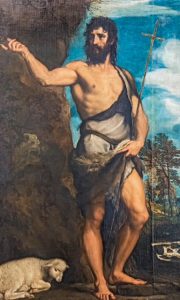
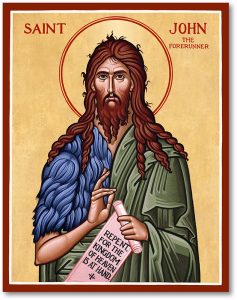
Today we celebrate the 2nd Sunday of Advent. The liturgical readings introduce us to one of the great figures of this holy season—St. John the Baptist, a humble man whose mission was to lead people to the Light, Jesus Christ.

Today also marks 35 years since God allowed me to see His light in my own life and called me to the priesthood. I am deeply grateful for this gift. Through the years, I have learned that staying faithful to one’s vocation is always a grace—nourished by prayer, perseverance, and humility. Isaiah, St. Paul, and St. John the Baptist never ceased praying, never tired of leading the faithful closer to God. Their lives remind us that if we want to be effective in our vocation—whatever it may be—we cannot simply be busy doing things for others; we must be people of prayer, always turning to the Lord so that we may bring Jesus to the hearts of others.

There have been challenges along the way—moments of struggle and moments of doubt—but I have learned to be conversant with God, to listen attentively, because He speaks words of hope and love. As an experienced priest for 35 years, I offer this simple advice: without prayer, our identity as disciples—mine as a priest, yours as a follower of Christ cannot truly stir faith in others. When we pray devoutly, God opens our ears. He forms our hearts. He makes us prophets who speak for Him. As priests and as intentional leaders, we are called to guide, to teach, and to bring souls into the quiet where Christ works the miracle of rebirth. Many rediscover Him in silence and contemplation. Remember Jesus’ words: “Trust in God still, and trust in me.” Give yourself wholeheartedly to Him.

My Advent journey continues, and today’s readings give us two rich images of the coming reign of God. Both speak deep truth.

In the first reading, Isaiah announces a future in which God’s “Chosen One” ushers in a time of peace, justice, and harmony where creation itself is renewed.

In the second reading, St. Paul urges the Christians in Rome to live the unity that God desires for them, unity that is found only in Jesus. Through Him, all are to be one. With the encouragement of Scripture, Paul calls us to persevere in hope until Christ comes again.

The Gospel presents John the Baptist preparing the people for the arrival of Someone far mightier than himself.

Having received this grace in my own life, I humbly offer these simple reflections to help us enter more deeply into this second week of Advent:

First, St. John the Baptist makes it clear: he is not the One to come. He is only the precursor, the one who runs ahead to prepare the way. Jesus’ coming is different because His reign begins with a call to sincere repentance. Those who wait with readiness and vigilance will receive new life and share a peace even with former enemies.

Second, St. John prepares others by urging them to review their lives and see what needs to change, what is not aligned with Isaiah’s vision of a Spirit-filled life. He calls for metanoia—a deep inner conversion.

Third, St. John speaks honestly of judgment. Those who refuse to reform will face consequences. His voice rings out in the desert—a voice of warning but also of hope. He calls the people to turn around, to change direction, to open their hearts to the One who is coming. He is directing us to follow Jesus! And Not to corrupt politicians whose aim is to destroy us.

Brothers and sisters, what is the message for us? Simply this: “Always be prepared. Always be ready.”

Readiness takes discipline. It requires practice, training, a willingness to change anything in our lives that does not reflect the Gospel. As we await the Second Coming of Jesus, we must become disciplined learners—faithful disciples who allow His Word to shape our lives.

Advent is our time to get ready—so that our lives will never be the same again. A disciplined follower of Jesus is indeed a faithful disciple.

May the Lord enlighten our minds and hearts.
Come, Lord Jesus, come!

Fr. Arlon, OSA


El Dictado del Corazón
Segundo Domingo de Adviento, Año A

  • Isaías 11:1-10
  • Salmo 72:1-2, 7-8, 12-13, 17
  • Romanos 15:4-9
  • Mateo 3:1-12

Hoy celebramos el Segundo Domingo de Adviento. Las lecturas litúrgicas nos presentan a una de las grandes figuras de este tiempo santo: San Juan Bautista, un hombre humilde cuya misión fue conducir al pueblo hacia la Luz, Jesucristo.

Hoy también se cumplen 35 años desde que Dios me permitió ver su luz en mi propia vida y me llamó al sacerdocio. Estoy profundamente agradecido por este don. A lo largo de los años, he aprendido que mantenerse fiel a la propia vocación es siempre una gracia, alimentada por la oración, la perseverancia y la humildad. Isaías, san Pablo y san Juan Bautista, nunca dejaron de orar ni se cansaron de guiar a los fieles más cerca de Dios. Sus vidas nos recuerdan que, si queremos ser efectivos en nuestra vocación, cualquiera que sea, no basta con estar ocupados haciendo cosas por los demás; debemos ser personas de oración, volviéndonos siempre al Señor para poder llevar a Jesús al corazón de los demás.

Ha habido desafíos en el camino, momentos de lucha y momentos de duda, pero he aprendido a conversar con Dios, a escucharlo con atención, porque Él habla palabras de esperanza y amor. Como sacerdote con 35 años de experiencia, ofrezco este sencillo consejo: sin oración, nuestra identidad como discípulos, la mía como sacerdote, la de ustedes como seguidores de Cristo, no puede realmente encender la fe en los demás. Cuando oramos con devoción, Dios abre nuestros oídos. Él forma nuestro corazón. Nos convierte en profetas que hablan en su nombre. Como sacerdotes y como líderes cristianos, estamos llamados a guiar, a enseñar y a llevar almas al silencio donde Cristo realiza el milagro del renacimiento. Muchos lo redescubren en el silencio y la contemplación. Recuerden las palabras de Jesús: “Confíen en Dios y confíen también en mí.” Entréguense a Él de todo corazón.

Mi camino de Adviento continúa, y las lecturas de hoy nos ofrecen dos ricas imágenes del Reino de Dios que viene. Ambas expresan una verdad profunda.

En la primera lectura, Isaías anuncia un futuro en el que el “Elegido” de Dios inaugurará un tiempo de paz, justicia y armonía, un tiempo en el que la creación misma será renovada.

En la segunda lectura, san Pablo exhorta a los cristianos de Roma a vivir la unidad que Dios desea para ellos, una unidad que sólo se encuentra en Jesús. Por Él, todos hemos de ser uno. Con la fuerza que nos dan las Escrituras, Pablo nos llama a perseverar en la esperanza hasta que Cristo vuelva.

El Evangelio presenta a Juan el Bautista preparando al pueblo para la llegada de Alguien mucho más poderoso que él.

Habiendo recibido esta gracia en mi propia vida, humildemente ofrezco estas sencillas reflexiones para ayudarnos a entrar más profundamente en esta segunda semana de Adviento:

Primero, san Juan Bautista deja claro que él no es el que ha de venir. Es sólo el precursor, el que va delante para preparar el camino. La venida de Jesús es distinta porque su reinado comienza con un llamado a un arrepentimiento sincero. Quienes esperan con prontitud y vigilancia recibirán nueva vida y compartirán una paz incluso con antiguos enemigos.

Segundo, san Juan prepara a los demás exhortándolos a revisar su vida y ver qué se necesita cambiar, qué no está alineado con la visión de Isaías sobre una vida llena del Espíritu. Él llama a la metanoia, una conversión interior profunda.

Tercero, san Juan habla con honestidad del juicio. Quienes se niegan a reformarse enfrentarán consecuencias. Su voz resuena en el desierto, una voz de advertencia pero también de esperanza. Llama al pueblo a volverse, a cambiar de rumbo, a abrir su corazón al que está por venir. ¡Nos está dirigiendo a seguir a Jesús! Y no a políticos corruptos cuyo propósito es destruirnos.

Hermanos y hermanas, ¿cuál es el mensaje para nosotros? Simplemente esto: “Estén siempre preparados. Estén siempre listos.”

La preparación requiere disciplina. Exige práctica, entrenamiento y una disposición a cambiar cualquier cosa en nuestra vida que no refleje el Evangelio. Mientras esperamos la Segunda Venida de Jesús, debemos convertirnos en aprendices disciplinados, discípulos fieles que permiten que su Palabra modele nuestra vida.

Adviento es nuestro tiempo para prepararnos, para que nuestra vida no vuelva a ser la misma. Un seguidor disciplinado de Jesús es, en verdad, un discípulo fiel.

Que el Señor ilumine nuestra mente y nuestro corazón.
¡Ven, Señor Jesús, ven!

P. Arlon, OSA