The Dictate of the Heart: 30th Sunday in Ordinary Time, Year C

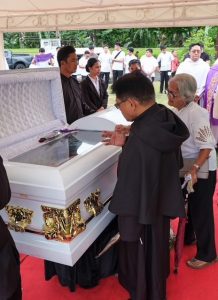
Brothers and sisters, our Province of Sto. Niño de Cebu is in mourning as we grieve the loss of one of our senior priests, +Fr. Edgardo Lazo, OSA, who passed away on October 19, 2025, at 7:13 in the morning, after suffering a heart attack while in the hospital. He was my formator during my college seminary days, a priest of deep faith and joyful service. In the light of our religious profession, we believe in the promise of the resurrection and unite ourselves with Christ in that hope. May his soul rest in peace.

As we celebrate this 30th Sunday in Ordinary Time, the Word of God invites us to look deeply into our hearts. The readings today remind us that humility is at the center of our relationship with God. It is the attitude that opens us to grace, makes our prayer sincere, and allows us to see others through the eyes of compassion.

The first reading from the Book of Sirach tells us that God is just and that His heart belongs to those who are humble and oppressed. God listens to their cries and answers their prayers with justice and mercy. He does not show favoritism or partiality. His love is for everyone, but He has a special concern for those who are poor, weak, and forgotten.

In the second reading, Saint Paul speaks with deep peace and confidence as he looks back on his life. He says, “I have fought the good fight, I have finished the race, I have kept the faith.” Even when he was abandoned and alone, the Lord stood by him and gave him strength. Paul’s life shows us that when we remain faithful to God, He never abandons us. Like Paul, we too are called to see our lives not as opportunities for personal gain, but as offerings of love and service to others. Our greatest joy is found in giving ourselves generously, just as Christ did.

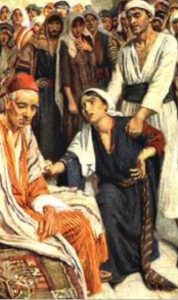
In the Gospel, Jesus tells the parable of the Pharisee and the tax collector. The Pharisee stood in the temple and proudly told God all his good deeds. The tax collector, on the other hand, stood at a distance, beat his breast, and simply prayed, “God, be merciful to me, a sinner.” Jesus tells us that it was the tax collector, not the Pharisee, who went home justified in God’s eyes.

This parable teaches us the right attitude in prayer. God looks not at the length of our prayers or the beauty of our words, but at the humility of our hearts. The tax collector’s prayer was powerful because it was honest. He admitted his sinfulness and opened his heart to God’s mercy. And Jesus is encouraging us today that it is never too late to repair our relationships with God and with one another. What matters is the willingness to be changed — to allow humility and gratitude to shape our lives.

Jesus also surprises us by showing the tax collector, a man often despised by others, as an example of true faith. When we come before God, we should come with the same spirit — simple, sincere, and aware of our need for His grace. If our hearts are too full of pride, there is little space left for God to enter. But when we accept our weaknesses and open ourselves to His mercy, grace finds a home within us.

True spirituality means recognizing that God sees what is in our hearts. He listens to the cry of the humble, the poor, and those who seek justice. When we put ourselves on a pedestal, we block the light of God’s love from shining through us. But when we lower ourselves before Him, we are lifted up in His mercy and strength.

Let us remember that God values sincere, heartfelt prayer more than any display of self-importance. What pleases Him is the quiet prayer that comes from love, trust, and humility. When our hearts are simple, God draws near. When we humble ourselves before Him, He lifts us up.

As we continue this celebration, may we ask for the grace to remain humble before God, to serve others with love, and to pray with sincerity. May we be reminded that God listens to the humble and blesses those who trust in Him.

God bless you.

Fr. Arlon, OSA


El Dictado del Corazón:
Trigésimoñ Domingo del Tiempo Ordinario, Año C

  • Eclesiástico 35, 12–14. 16–18
  • Salmo 33, 2–3. 17–25
  • 2 Timoteo 4, 6–8. 16–18
  • Lucas 18, 9–14

Hermanos y hermanas, nuestra Provincia del Santo Niño de Cebú está de luto, pues lamentamos la partida de uno de nuestros sacerdotes mayores, el +P. Edgardo Lazo, OSA, quien falleció el 19 de octubre de 2025, a las 7:13 de la mañana, después de sufrir un ataque al corazón mientras se encontraba en el hospital. Él fue mi formador durante mis años en el seminario menor; un sacerdote de profunda fe y servicio alegre. A la luz de nuestra profesión religiosa, creemos en la promesa de la resurrección y nos unimos a Cristo en esa esperanza. Que su alma descanse en paz.

Al celebrar este 30º Domingo del Tiempo Ordinario, la Palabra de Dios nos invita a mirar profundamente dentro de nuestro corazón. Las lecturas de hoy nos recuerdan que la humildad está en el centro de nuestra relación con Dios. Es la actitud que nos abre a la gracia, que hace sincera nuestra oración y que nos permite ver a los demás con ojos de compasión.

En la primera lectura, del libro del Eclesiástico, se nos dice que Dios es justo y que su corazón está con los humildes y los oprimidos. Dios escucha su clamor y responde con justicia y misericordia. No muestra favoritismo ni hace distinciones. Su amor es para todos, pero tiene una atención especial por los pobres, los débiles y los olvidados.

En la segunda lectura, san Pablo habla con profunda paz y confianza al mirar hacia atrás en su vida. Dice: “He peleado el buen combate, he terminado la carrera, he conservado la fe.” Aun cuando fue abandonado y quedó solo, el Señor estuvo a su lado y le dio fuerzas. La vida de Pablo nos enseña que cuando permanecemos fieles a Dios, Él nunca nos abandona. Como Pablo, también nosotros estamos llamados a ver nuestra vida no como una oportunidad para el beneficio personal, sino como una ofrenda de amor y servicio a los demás. Nuestra mayor alegría se encuentra en entregarnos generosamente, como lo hizo Cristo.

En el Evangelio, Jesús nos cuenta la parábola del fariseo y el publicano. El fariseo se puso de pie en el templo y, con orgullo, le contó a Dios todas sus buenas obras. El publicano, en cambio, se quedó a distancia, se golpeaba el pecho y simplemente oraba: “Dios mío, ten compasión de mí, que soy un pecador.” Jesús nos dice que fue este hombre, y no el fariseo, quien regresó a su casa justificado ante los ojos de Dios.

Esta parábola nos enseña la actitud correcta para orar. Dios no mira la longitud de nuestras oraciones ni la belleza de nuestras palabras, sino la humildad de nuestro corazón. La oración del publicano fue poderosa porque fue sincera. Reconoció su pecado y abrió su corazón a la misericordia de Dios. Y Jesús hoy nos anima a recordar que nunca es demasiado tarde para reparar nuestra relación con Dios y con los demás. Lo que realmente importa es nuestra disposición a dejarnos transformar: a permitir que la humildad y la gratitud moldeen nuestra vida.

Jesús también nos sorprende al poner como ejemplo de verdadera fe a un publicano, un hombre despreciado por muchos. Cuando nos presentamos ante Dios, debemos hacerlo con ese mismo espíritu: sencillo, sincero y consciente de nuestra necesidad de su gracia. Si nuestro corazón está lleno de orgullo, queda poco espacio para que Dios entre. Pero cuando reconocemos nuestras debilidades y nos abrimos a su misericordia, la gracia encuentra en nosotros un hogar.

La verdadera espiritualidad consiste en reconocer que Dios ve lo que hay en nuestro corazón. Él escucha el clamor del humilde, del pobre y de quien busca la justicia. Cuando nos ponemos en un pedestal, bloqueamos la luz del amor de Dios que quiere brillar a través de nosotros. Pero cuando nos humillamos ante Él, somos levantados por su misericordia y su fuerza.

Recordemos que Dios valora más la oración sincera y profunda que cualquier demostración de orgullo o autosuficiencia. Lo que le agrada es la oración sencilla que brota del amor, de la confianza y de la humildad. Cuando nuestro corazón es sencillo, Dios se acerca. Cuando nos humillamos ante Él, Él nos levanta.

Al continuar esta celebración, pidamos la gracia de permanecer humildes ante Dios, de servir a los demás con amor y de orar con sinceridad. Recordemos siempre que Dios escucha a los humildes y bendice a quienes confían en Él.

Dios les bendiga.

P. Arlon, OSA
The Dictate of the Heart: 29th Sunday in Ordinary Time, Year C: World Mission Sunday

Today, we celebrate World Mission Sunday, alongside the 29th Sunday in Ordinary Time, Year C. It is a day to pray for and support missionaries around the world who work tirelessly to spread the faith.

As someone who has served as a missionary abroad for 30 years, I can testify to the many challenges and joys that come with being sent to evangelize. Throughout those years, I never lost heart because I knew Christ was with me every step of the way. Even now, I remain open to the needs of the Church, because we are all called to labor in the vineyard of the Lord. Each one of us is a missionary by virtue of our own baptism.

Pope Leo XIV has released his first Apostolic Exhortation, titled Dilexi Te (“I Have Loved You”), signed on the feast of St. Francis and published on October 9, 2025. This message is a powerful invitation to recognize the face of Christ in the poor, the sick, and the suffering.

In Dilexi Te, the Pope reminds us that poverty is not just a problem to fix, but also an opportunity for a divine encounter. He urges us not to focus only on personal salvation but to realize that our lives are bound up with the lives of the poor. Through them, the Church is constantly renewed.

Pope Leo XIV writes:“Not infrequently, our prosperity can make us blind to the needs of others… The poor can act as silent teachers for us, instilling within us a rightful spirit of humility.” Are we listening to these silent teachers?

In the first reading, the Israelites defeat Amalek, not just by their own strength, but because Moses remained faithful, holding God’s staff high, supported by Aaron and Hur. This reminds us that we don’t face life’s battles alone. God is with us, and we also need the support of others to persevere.

When you feel tired or overwhelmed, don’t hesitate to lean on your faith community. Ask for help. We’re meant to hold each other up, just like Aaron and Hur supported Moses.

In oir 2nd reading, Paul encourages Timothy to continue preaching the Word, staying grounded in Scripture, which is inspired by God and essential for guiding us in righteous living by reading the Bible regularly. Let it shape your thoughts, your choices, and your relationships. You don’t need to be a theologian, just be faithful contemplation and learning from God’s Word.

In today’s Gospel, Jesus tells the parable of the persistent widow. Though the judge is unjust, he gives in because of her persistence. Jesus uses this to show how much more God, who is just and loving will respond to our prayers.

Here are three practical lessons from this Gospel:
First, Pray with humility and persistence.
Prayer isn’t about nagging God until we get what we want. It’s about staying connected with God, trusting that He hears us, even if the answer takes time. Don’t lose heart when prayers seem unanswered.
Jesus asks, “When the Son of Man comes, will he find faith on earth?” Sometimes, we lose faith when we don’t see immediate results. But we’re called to remain hopeful, believing God works in His perfect time.

Second, Faith requires action and commitment.
Trusting God doesn’t mean doing nothing. Like the widow, we must keep showing up, keep praying, keep hoping—and keep doing good. Faith and perseverance go hand in hand.

Third, Faith isn’t meant to be lived alone. In difficult times, lean on your community—your family, friends, parish, or prayer group. Just like Aaron and Hur supported Moses, we’re called to support one another.

Let us ask ourselves: How can I be an Aaron or Hur to someone today?
Who might need my encouragement or prayer?

Thus, God continues to walk with us, offering strength and hope in every season. He listens to every prayer, even when we feel unheard.

Let us take today’s message to heart: Be faithful in prayer. Stay rooted in Scripture.
Support one another in love. Live your faith through missionary action wherever you are.

May we persevere in prayer, in action, and in trust—believing that God is always at work, even when we don’t yet see the outcome.

God bless you.

Fr. Arlon, OSA


El Dictado del Corazón
Vigésimo Noveno Domingo del Tiempo Ordinario, Año C
Domingo Mundial de las Misiones

  • Éxodo 17, 8-13
  • Salmo 120 (121), 1-8
  • 2 Timoteo 3, 14–4, 2
  • Lucas 18, 1-8Hoy celebramos el Domingo Mundial de las Misiones, junto con el Vigésimo Noveno Domingo del Tiempo Ordinario, Año C. Es un día para orar por los misioneros y apoyar a quienes, en todo el mundo, trabajan incansablemente para anunciar la fe.

    Como alguien que ha servido como misionero en el extranjero durante 30 años, puedo dar testimonio de los muchos desafíos y alegrías que conlleva ser enviado a evangelizar. A lo largo de esos años, nunca perdí el ánimo, porque sabía que Cristo estaba conmigo en cada paso del camino. Aun ahora, sigo abierto a las necesidades de la Iglesia, porque todos estamos llamados a trabajar en la viña del Señor. Cada uno de nosotros es misionero por el simple hecho de haber sido bautizado.

    El Papa León XIV ha publicado su primera Exhortación Apostólica, titulada Dilexi Te (“Te he amado”), firmada en la fiesta de San Francisco y publicada el 9 de octubre de 2025. Este mensaje es una poderosa invitación a reconocer el rostro de Cristo en los pobres, los enfermos y los que sufren.

    En Dilexi Te, el Papa nos recuerda que la pobreza no es sólo un problema que hay que resolver, sino también una oportunidad para un encuentro divino. Nos exhorta a no enfocarnos únicamente en nuestra salvación personal, sino a reconocer que nuestras vidas están profundamente unidas a la vida de los pobres. A través de ellos, la Iglesia se renueva constantemente.

    El Papa León XIV escribe:
    “No pocas veces, nuestra prosperidad puede cegarnos ante las necesidades de los demás… Los pobres pueden actuar como maestros silenciosos para nosotros, inculcándonos un verdadero espíritu de humildad.”
    ¿Estamos escuchando a estos maestros silenciosos?

    En la primera lectura, los israelitas vencen a Amalec, no sólo por su propia fuerza, sino porque Moisés permaneció fiel, sosteniendo en alto el bastón de Dios, apoyado por Aarón y Jur. Esto nos recuerda que no enfrentamos las batallas de la vida solos. Dios está con nosotros, y también necesitamos del apoyo de los demás para perseverar.

    Cuando te sientas cansado o abrumado, no dudes en apoyarte en tu comunidad de fe. Pide ayuda. Estamos llamados a sostenernos unos a otros, así como Aarón y Jur sostuvieron a Moisés.

    En la segunda lectura, Pablo anima a Timoteo a seguir predicando la Palabra, permaneciendo firme en las Escrituras, que son inspiradas por Dios y esenciales para guiarnos por el camino justo. Lee la Biblia con regularidad. Deja que transforme tus pensamientos, tus decisiones y tus relaciones. No necesitas ser teólogo, sólo ser fiel en la contemplación y aprender de la Palabra de Dios.

    En el Evangelio de hoy, Jesús nos cuenta la parábola de la viuda insistente. Aunque el juez era injusto, cede ante la persistencia de la mujer. Jesús utiliza esta historia para mostrarnos cuánto más Dios, que es justo y amoroso, responderá a nuestras oraciones.

    Aquí hay tres enseñanzas prácticas de este Evangelio:

    Primero: Ora con humildad y perseverancia.
    La oración no se trata de insistir hasta que Dios nos conceda lo que queremos. Se trata de mantenernos conectados con Él, confiando en que nos escucha, aunque la respuesta tarde en llegar.
    No te desanimes cuando tus oraciones parezcan no ser respondidas.
    Jesús pregunta: “Cuando venga el Hijo del Hombre, ¿encontrará fe sobre la tierra?”
    A veces perdemos la fe cuando no vemos resultados inmediatos. Pero estamos llamados a mantener la esperanza, creyendo que Dios actúa en su tiempo perfecto.

    Segundo: La fe requiere acción y compromiso.
    Confiar en Dios no significa quedarse de brazos cruzados. Como la viuda, debemos seguir insistiendo, seguir orando, seguir esperando, y seguir haciendo el bien. La fe y la perseverancia van de la mano.

    Tercero: La fe no se vive en soledad.
    En tiempos difíciles, apóyate en tu comunidad: tu familia, amigos, parroquia o grupo de oración. Así como Aarón y Jur apoyaron a Moisés, nosotros también estamos llamados a apoyarnos mutuamente.

    Preguntémonos: ¿Cómo puedo ser un Aarón o un Jur para alguien hoy?
    ¿Quién podría necesitar mi palabra de aliento o mi oración?

    Así, Dios sigue caminando con nosotros, ofreciéndonos fortaleza y esperanza en cada etapa de la vida. Él escucha cada oración, incluso cuando sentimos que no somos escuchados.

    Tomemos el mensaje de hoy en el corazón:
    Seamos fieles en la oración.
    Permanezcamos arraigados en las Escrituras.
    Apoyémonos unos a otros con amor.
    Vivamos nuestra fe a través de la acción misionera, dondequiera que estemos.

    Que perseveremos en la oración, en la acción y en la confianza, creyendo que Dios siempre está obrando, incluso cuando aún no vemos el resultado.

    Dios los bendiga.

    P. Arlon, OSA

The Dictate of the Heart: 28th Sunday in Ordinary Time, Year C

God has truly blessed me in many ways. After spending 30 years away from the Santo Niño Augustinian Province on missionary work in Korea and the United States, I see those years as an enormous blessing. I’m deeply grateful to God and to the Order for that opportunity.

Over the years, I’ve faced many trials—especially health-related ones—but through it all, God has continued to journey with me with such generosity and love.

Just recently, on October 7, 2025, my left eye began bleeding again, causing floaters to appear—like clouds dancing in front of my vision. I rushed to the hospital to see an eye specialist. After several tests, the doctor advised that I undergo a series of eye injections over three months, followed by laser surgery. It’s a process that will require patience and trust in God’s plan. Treatment begins this week, and I humbly ask for your prayers.

This experience reminded me that endurance and perseverance are necessary if we are to live our faith and work toward our salvation through acts of faith, mercy, service, and above all, gratitude.

In the 1st reading, we hear the story of Naaman, who was healed of his leprosy after obeying the prophet Elisha’s instructions. After his miraculous healing, Naaman acknowledged the God of Israel and vowed to worship Him alone. In gratitude, he offered a gift, which Elisha refused to accept—reminding us that God’s grace is free.

The 2nd reading reminds us that Jesus Christ has risen from the dead. St. Paul, even in the midst of suffering, continues to preach the Gospel, knowing that while he may be in chains, God’s word is never bound. He encourages us to endure all things for Christ, trusting that even if we are unfaithful, Jesus remains faithful.

In today’s gospel, Jesus, on His way to Jerusalem, heals ten lepers. However, only one, a Samaritan returns to thank Him. Jesus praises this man’s faith and gratitude. It’s a simple but powerful story that carries deep lessons for us today.

1. Gratitude must be intentional. It’s easy to forget to thank God when life is going well. But today’s Gospel reminds us that giving thanks should be part of our daily life. The one who returned teaches us that gratitude is not just a nice gesture—it’s an expression of faith.

2. Gratitude draws us closer to God. Like the healed leper who came back, we too are called to return to God in humility. When we remember His goodness and thank Him, our faith is deepened. Sadly, the other nine lepers missed that opportunity—they received healing, but not the deeper grace of a relationship with the living God.

3. Gratitude and Faith lead to salvation. This story isn’t just about physical healing—it’s about something greater. Jesus tells the grateful leper, “Your faith has saved you.” Salvation came not just through the healing, but through the heart that recognized and responded to God with gratitude.

As I reflect on my own journey, especially during times of illness and difficulty, I’ve come to see these challenges as hidden blessings. They’ve helped me grow in my vocation and trust in God. The opportunity to serve in foreign lands, the healing I’ve received, and the people I’ve encountered—all of these are reasons for deep gratitude.

Recognizing God’s work in our lives helps us stay grounded in faith. When we follow His will, even through pain or uncertainty, we find a freedom that brings peace. True healing leads us to forgive, to be kind, and to let go of pride. It connects us more deeply to God.

Today’s readings remind us that God’s mercy, healing, and faithfulness are always present. When we respond with gratitude, our faith becomes stronger.

Let us sing a new song to the Lord! Let us rejoice that His salvation is made known to all. Let us never tire of thanking Him for His wonderful deeds and unfailing love.

Let’s take a moment today to reflect:
Do I thank God enough for His care, His blessings, and His love?

God bless you all.

Fr. Arlon, OSA


El Dictado del Corazón
Vigésimo-Octavo Domingo del Tiempo Ordinario, Año C

  • 2 Reyes 5,14-17
  • Salmo 97,1.2-3ab.3cd-4
  • 2 Timoteo 2,8-13
  • Lucas 17,11-19

Dios verdaderamente me ha bendecido de muchas maneras. Después de pasar 30 años fuera de la Provincia Agustiniana del Santo Niño en trabajo misionero en Corea y los Estados Unidos, veo esos años como una enorme bendición. Estoy profundamente agradecido con Dios y con la Orden por esa oportunidad.

A lo largo de los años, he enfrentado muchas pruebas, especialmente relacionadas con la salud, pero a pesar de todo, Dios ha seguido caminando conmigo con tanta generosidad y amor.

Recientemente, el 7 de octubre de 2025, mi ojo izquierdo volvió a sangrar, provocando la aparición de flotantes, como nubes danzando frente a mi visión. Corrí al hospital para ver a un especialista en ojos. Después de varios exámenes, el médico me recomendó una serie de inyecciones en el ojo durante tres meses, seguidas de una cirugía láser. Es un proceso que requerirá paciencia y confianza en el plan de Dios. El tratamiento comenzará esta semana, y humildemente les pido sus oraciones.

Esta experiencia me recordó que la resistencia y la perseverancia son necesarias si queremos vivir nuestra fe y trabajar por nuestra salvación a través de actos de fe, misericordia, servicio y, sobre todo, gratitud.

En la primera lectura, escuchamos la historia de Naamán, quien fue sanado de su lepra después de obedecer las instrucciones del profeta Eliseo. Tras su sanación milagrosa, Naamán reconoció al Dios de Israel y prometió adorarlo solo a Él. En señal de gratitud, ofreció un regalo, el cual Eliseo rechazó —recordándonos que la gracia de Dios es gratuita.

La segunda lectura nos recuerda que Jesucristo ha resucitado de entre los muertos. San Pablo, incluso en medio del sufrimiento, continúa predicando el Evangelio, sabiendo que aunque él esté encadenado, la Palabra de Dios no está encadenada. Él nos anima a soportar todas las cosas por Cristo, confiando en que, aunque nosotros seamos infieles, Jesús permanece fiel.

En el Evangelio de hoy, Jesús, en camino a Jerusalén, sana a diez leprosos. Sin embargo, solo uno, un samaritano, regresa para darle gracias. Jesús alaba la fe y la gratitud de este hombre. Es una historia sencilla, pero poderosa, que nos deja profundas enseñanzas para hoy.

1. La gratitud debe ser intencional. Es fácil olvidar dar gracias a Dios cuando todo va bien. Pero el Evangelio de hoy nos recuerda que dar gracias debe ser parte de nuestra vida diaria. El que regresó nos enseña que la gratitud no es solo un gesto bonito—es una expresión de fe.

2. La gratitud nos acerca a Dios. Al igual que el leproso sanado que regresó, nosotros también estamos llamados a volver a Dios con humildad. Cuando recordamos Su bondad y le damos gracias, nuestra fe se profundiza. Tristemente, los otros nueve leprosos perdieron esa oportunidad—recibieron sanación, pero no la gracia más profunda de una relación con el Dios vivo.

3. Gratitud y la fe conducen a la salvación.
Esta historia no se trata solo de una sanación física—es algo mayor. Jesús le dice al leproso agradecido: “Tu fe te ha salvado”. La salvación vino no solo por la curación, sino por el corazón que reconoció y respondió a Dios con gratitud.

Al reflexionar sobre mi propio camino, especialmente en tiempos de enfermedad y dificultad, he llegado a ver estos desafíos como bendiciones escondidas. Me han ayudado a crecer en mi vocación y en mi confianza en Dios. La oportunidad de servir en tierras extranjeras, la sanación que he recibido y las personas que he encontrado—todo esto son razones para una profunda gratitud.

Reconocer la obra de Dios en nuestras vidas nos ayuda a mantenernos firmes en la fe. Cuando seguimos Su voluntad, incluso en el dolor o la incertidumbre, encontramos una libertad que trae paz. La verdadera sanación nos lleva a perdonar, a ser amables y a dejar atrás el orgullo. Nos conecta más profundamente con Dios.

Las lecturas de hoy nos recuerdan que la misericordia, la sanación y la fidelidad de Dios siempre están presentes. Cuando respondemos con gratitud, nuestra fe se fortalece.

¡Cantemos al Señor un canto nuevo! Alegrémonos de que Su salvación ha sido revelada a todos. Que nunca nos cansemos de darle gracias por Sus maravillas y Su amor inagotable.

Tomemos un momento hoy para reflexionar:
¿Le doy gracias a Dios lo suficiente por Su cuidado, Sus bendiciones y Su amor?

Que Dios los bendiga a todos.

P. Arlon, OSA

The Dictate of the Heart: 27th Sunday in Ordinary Time – Year C

On Tuesday, September 30, 2025, at 10:00 PM, a magnitude 6.7 earthquake struck the northern part of Cebu, Philippines. The epicenter was located offshore near Bogo, Cebu, and the quake caused widespread destruction and loss of life. As of the latest reports, 72 people have died, 294 are injured, and over 170,000 individuals have been affected, with 20,000 still displaced from their homes.

Many homes and buildings collapsed. Roads, bridges, and even the centuries-old façade of a historic church were destroyed. But in the midst of this devastation, a powerful sign of hope remained: the Blessed Sacrament, the main altar, and the image of St. Rose of Lima remained untouched. In the rubble, God still speaks.

Neighboring towns also suffered similar destruction. For many, natural disasters are seen as wake-up calls—a reminder to return to God, to reflect, to repent. As a nation with deep Christian roots, we are challenged to look honestly at how we live, how we govern, and how we serve. Sadly, many in positions of power—politicians and officials—remain more focused on greed than on genuine, honest service to God and country.

In response, Pope Leo XIV has extended his prayers, blessings, and sympathies to the people of Cebu. He prays for the eternal rest of the victims and for strength and healing for all who have survived.

In times like this, we are all called to act—spiritually and materially. Let us open our hearts and share what we can: food, clothes, shelter, prayers, even just our presence. Generosity is healing. It brings comfort. It brings hope.

This Sunday’s readings remind us to put our trust in God, even when life seems unclear and overwhelming. We cannot rely solely on human strength—we need God’s grace.

In the First Reading, the prophet Habakkuk cries out to God in the face of injustice and suffering. And God answers with a promise: “The just shall live by faith.” Even when tragedy strikes, faith is our anchor.

The Psalm invites us to worship God with open hearts. “If today you hear His voice, harden not your hearts.” We are reminded not to close ourselves off to God’s presence—even in pain.

In the Second Reading, St. Paul encourages Timothy to remain strong in his mission and faithful to sound teaching. Paul reminds him—and us—that even a small faith, when rekindled by the Holy Spirit, becomes a powerful force. It takes courage and trust in God’s power, love, and wisdom to keep living our faith boldly.

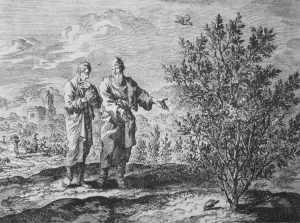
The gospel from St. Luke offers us the image of faith as small as a mustard seed. Jesus teaches that even a tiny seed of faith can do great things. But more importantly, He reminds us that being His follower means more than just believing—it means being faithful servants.

Let’s explore three key lessons from today’s Gospel:

First, Jesus teaches His disciples that faith grows when we patiently trust in God, even if we don’t see immediate results. What He asks of us is simple: obedience—to serve with a willing heart.

Second, Jesus reminds us that serving God is not about seeking praise or recognition. We are not to act just to be thanked. Like the servant who continues working after his master returns, we are called to go beyond what is expected, to serve with a humble heart.

Third,  Jesus teaches us that service flows from love and commitment because faith and service are deeply connected. True service is not about rewards—it’s about doing what is right, out of love for God. It’s about showing up, staying faithful, and giving our best—even when no one sees.

As we reflect on this message from “The Dictate of the Heart,” may we allow the Word of God to shape our hearts. Let us keep our faith alive and active—especially in moments of loss, suffering, or uncertainty.

Jesus calls us to live each day in hope, love, and faithful obedience. And in doing so, we become His true disciples rooted not in fear, but in trust.

God bless us all.

Fr. Arlon, OSA 

——————

El Dictado del Corazón

Vigésimo-Séptimo Domingo del Tiempo Ordinario – Ciclo C

  • Habacuc 1, 2-3; 2, 1-4
  • Salmo 94 (95), 1-2. 6-9
  • 2 Timoteo 1, 6-8. 13-14
  • Lucas 17, 5-10

El martes 30 de septiembre de 2025, a las 10:00 de la noche, un terremoto de magnitud 6.7 sacudió la parte norte de Cebú, Filipinas. El epicentro se localizó en el mar, cerca de la ciudad de Bogo, y el sismo causó una gran destrucción y pérdida de vidas humanas. Según los reportes más recientes, 72 personas han fallecido, 294 están heridas y más de 170,000 personas se han visto afectadas, de las cuales 20,000 siguen desplazadas de sus hogares.

Muchas casas y edificios se derrumbaron. Caminos, puentes e incluso la fachada centenaria de una iglesia histórica fueron destruidos. Pero en medio de esta devastación, quedó un poderoso signo de esperanza: el Santísimo Sacramento, el altar principal y la imagen de Santa Rosa de Lima permanecieron intactos. En los escombros, Dios sigue presente.

Las comunidades vecinas también sufrieron una destrucción similar. Para muchos, los desastres naturales se perciben como llamados de atención: una invitación a volver a Dios, a reflexionar, a arrepentirse. Como nación con profundas raíces cristianas, se nos desafía a mirar con honestidad cómo vivimos, cómo gobernamos y cómo servimos. Tristemente, muchos de los que están en el poder, políticos y funcionarios, siguen enfocados más en la codicia que en un servicio auténtico y honesto a Dios y a la patria.

En respuesta, el Papa León XIV ha enviado sus oraciones, bendiciones y muestras de cercanía al pueblo de Cebú. Ora por el eterno descanso de las víctimas y por fortaleza y sanación para todos los sobrevivientes.

En momentos como este, todos estamos llamados a actuar, espiritualmente y también materialmente. Abramos el corazón y compartamos lo que podamos: comida, ropa, refugio, oración, o incluso solo nuestra presencia. La generosidad sana. Trae consuelo. Trae esperanza.

Las lecturas de este domingo nos invitan a poner nuestra confianza en Dios, aun cuando la vida parezca incierta y abrumadora. No podemos apoyarnos solamente en nuestras fuerzas humanas, necesitamos la gracia de Dios.

En la Primera Lectura, el profeta Habacuc clama a Dios ante la injusticia y el sufrimiento. Y Dios le responde con una promesa: “El justo vivirá por su fe.” Aun cuando llega la tragedia, la fe es nuestro ancla.

El Salmo nos invita a adorar a Dios con un corazón abierto: “Ojalá escuchen hoy la voz del Señor: no endurezcan el corazón.” Se nos recuerda no cerrarnos a la presencia de Dios, ni siquiera en medio del dolor.

En la Segunda Lectura, San Pablo anima a Timoteo a mantenerse firme en su misión y fiel a la enseñanza sana. Le recuerda, a él y a nosotros, que incluso una fe pequeña, reavivada por el Espíritu Santo, se convierte en una fuerza poderosa. Se necesita valor y confianza en el poder, el amor y la sabiduría de Dios para vivir la fe con valentía.

En el Evangelio según San Lucas, Jesús nos ofrece la imagen de una fe del tamaño de una semilla de mostaza. Él nos enseña que incluso una fe pequeña puede hacer grandes cosas. Pero, más importante aún, nos recuerda que ser su discípulo significa más que creer: significa ser siervos fieles.

Exploremos tres enseñanzas clave del Evangelio de hoy:

Primero, Jesús enseña que la fe crece cuando confiamos pacientemente en Dios, aunque no veamos resultados inmediatos. Lo que Él nos pide es simple: obediencia, servir con un corazón dispuesto.

Segundo, Jesús nos recuerda que servir a Dios no se trata de buscar aplausos o reconocimiento. No debemos actuar sólo para ser reconocidos. Como el siervo que sigue trabajando tras el regreso de su amo, estamos llamados a ir más allá de lo esperado, a servir con humildad.

Tercero, Jesús nos enseña que el servicio nace del amor y del compromiso, porque la fe y el servicio están profundamente unidos. El verdadero servicio no busca recompensas, se trata de hacer lo correcto, por amor a Dios. Se trata de estar presentes, permanecer fieles y dar lo mejor de nosotros, aunque nadie nos vea.

Al reflexionar sobre este mensaje del Dictado del Corazón, permitamos que la Palabra de Dios transforme nuestro corazon. Mantengamos viva y activa nuestra fe, especialmente en los momentos de pérdida, sufrimiento o incertidumbre.

Jesús nos llama a vivir cada día con esperanza, amor y obediencia fiel. Y al hacerlo, nos convertimos en sus verdaderos discípulos, no arraigados en el miedo, sino en la esperanza.

Que Dios nos bendiga a todos.

P. Arlon, OSA